Oat Hull Fiber
Auto-generated content. This description was generated automatically and is pending editorial review. Inaccuracies are possible. Found a mistake? Contact us.
What it is
Oat hull fiber is a type of dietary fiber derived from the outer layer of oats. It is produced by milling and separating the hulls from the oat groats, often using mechanical processes. The resulting material is a concentrated source of insoluble fiber.
Why it's used
Oat hull fiber is added to foods as a source of dietary fiber, contributing to texture and bulk. It is commonly found in baked goods like breads and muffins, as well as cereals and cookies. Manufacturers use it to increase the fiber content of products without significantly altering taste or appearance.
Health notes
Oat hull fiber is generally recognized as safe (GRAS) by the FDA for use in food. As a source of insoluble fiber, it can contribute to digestive regularity when consumed as part of a balanced diet. International bodies like JECFA have evaluated dietary fibers, but specific evaluations for oat hull fiber alone are not always detailed. Evidence generally supports the role of dietary fiber in digestive health.
Allergen info
Oats are not one of the nine major allergens. However, cross-contamination with wheat, a major allergen, can occur during processing. Oat hull fiber itself does not contain gluten, but some oats may be processed in facilities that handle gluten-containing grains.
Products containing Oat Hull Fiber
Compare products → Whole Foods Market, Inc.
Multi-Grain Morning O's Cereal, Multi-Grain
345kcal
10.3Protein
3.5Fat
79.3Carbs
Just, Inc.
Soft-Baked Cookies, Chocolate Chip
464kcal
3.6Protein
21.4Fat
60.7Carbs
Just, Inc.
Just, Non-Gmo Cookies, Double Chocolate Espresso, Double Chocolate Espresso
High in saturated fat — 25% DV per serving
447kcal
5.3Protein
21.1Fat
57.9Carbs
The Kroger Co.
Bakery Fresh Goodness, Flatbread, Original, Original
High in sodium — 27% DV per serving
242kcal
6.3Protein
7.4Fat
51.6Carbs
Post Consumer Brands, LLC
Pumpkin Cereal, Pumpkin
350kcal
7.5Protein
2.5Fat
85Carbs
Whole Foods Market, Inc.
Multi-Grain Morning O's Cereal, Multi-Grain
345kcal
10.3Protein
3.5Fat
79.3Carbs
Just, Inc.
Soft-Baked Cookies, Chocolate Chip
464kcal
3.6Protein
21.4Fat
60.7Carbs
Just, Inc.
Just, Non-Gmo Cookies, Double Chocolate Espresso, Double Chocolate Espresso
High in saturated fat — 25% DV per serving
447kcal
5.3Protein
21.1Fat
57.9Carbs
The Kroger Co.
Bakery Fresh Goodness, Flatbread, Original, Original
High in sodium — 27% DV per serving
242kcal
6.3Protein
7.4Fat
51.6Carbs
Post Consumer Brands, LLC
Pumpkin Cereal, Pumpkin
350kcal
7.5Protein
2.5Fat
85Carbs
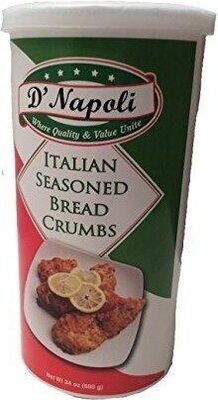 Nisco Foods, LLC
Italian Seasoned Bread Crumbs
393kcal
14.3Protein
5.4Fat
71.4Carbs
Just, Inc.
Peanut Butter Chocolate Chip Eat-It-Raw Cookie Dough, Peanut Butter Chocolate Chip
467kcal
6.7Protein
23.3Fat
56.7Carbs
Just, Inc.
Birthday Cake Eat-It-Raw Cookie Dough
412kcal
2.9Protein
17.6Fat
61.8Carbs
Iga, Inc.
Bread Crumbs, Traditional
357kcal
14.3Protein
3.6Fat
71.4Carbs
Festive Finer Foods
Original Plain Bread Crumbs, Original, Plain
357kcal
14.3Protein
3.6Fat
71.4Carbs
Harris-Teeter Inc.
Italian Bread Crumbs, Italian
393kcal
14.3Protein
5.4Fat
71.4Carbs
Post Consumer Brands, LLC
Cranberry Cereal, Cranberry
345kcal
9.1Protein
2.7Fat
76.4Carbs
Nisco Foods, LLC
Italian Seasoned Bread Crumbs
393kcal
14.3Protein
5.4Fat
71.4Carbs
Just, Inc.
Peanut Butter Chocolate Chip Eat-It-Raw Cookie Dough, Peanut Butter Chocolate Chip
467kcal
6.7Protein
23.3Fat
56.7Carbs
Just, Inc.
Birthday Cake Eat-It-Raw Cookie Dough
412kcal
2.9Protein
17.6Fat
61.8Carbs
Iga, Inc.
Bread Crumbs, Traditional
357kcal
14.3Protein
3.6Fat
71.4Carbs
Festive Finer Foods
Original Plain Bread Crumbs, Original, Plain
357kcal
14.3Protein
3.6Fat
71.4Carbs
Harris-Teeter Inc.
Italian Bread Crumbs, Italian
393kcal
14.3Protein
5.4Fat
71.4Carbs
Post Consumer Brands, LLC
Cranberry Cereal, Cranberry
345kcal
9.1Protein
2.7Fat
76.4Carbs