Oil
Auto-generated content. This description was generated automatically and is pending editorial review. Inaccuracies are possible. Found a mistake? Contact us.
What it is
Oils are fats that are liquid at room temperature. They are typically derived from plants, such as soybeans, corn, olives, or coconuts, or from animal sources like fish. Oils are extracted through processes like pressing or solvent extraction.
Why it's used
Manufacturers add oils to foods to improve texture, flavor, and shelf life. They act as lubricants, prevent sticking, and help carry flavors. Oils are commonly found in baked goods, snacks, salad dressings, and fried foods.
Health notes
Oils are a source of calories and essential fatty acids. The U.S. Food and Drug Administration (FDA) generally recognizes many common oils as safe (GRAS) for use in food. Regulatory bodies like the Joint FAO/WHO Expert Committee on Food Additives (JECFA) and the European Food Safety Authority (EFSA) have evaluated various oils. While generally considered safe in moderation as part of a balanced diet, excessive intake of certain types of fats, like saturated and trans fats, has been linked to health concerns.
Allergen info
Oils can be derived from major allergens like soy, peanuts, tree nuts, or sesame. It is important to check the product label for specific allergen information, especially for oils derived from these sources. Not a major allergen if derived from sources like corn, canola, or sunflower.
Products containing Oil
Compare products →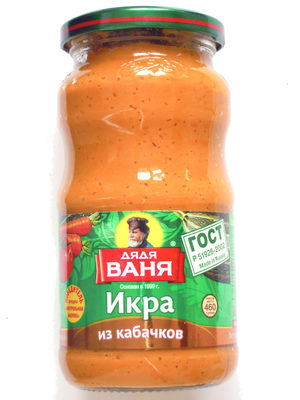 RUSPOLE BRANDS CO.
Squash Spread
93kcal
1.7Protein
6.7Fat
6.7Carbs
Kraft Heinz Foods Company
Sweet Potato Crackers
433kcal
6.7Protein
11.7Fat
76.7Carbs
Frito-Lay Company
Doritos, Toasted Corn Tortilla Chips
500kcal
7.1Protein
25Fat
64.3Carbs
RUSPOLE BRANDS CO.
Squash Spread
93kcal
1.7Protein
6.7Fat
6.7Carbs
Kraft Heinz Foods Company
Sweet Potato Crackers
433kcal
6.7Protein
11.7Fat
76.7Carbs
Frito-Lay Company
Doritos, Toasted Corn Tortilla Chips
500kcal
7.1Protein
25Fat
64.3Carbs