Olive-canola Oil Blend
What is Olive-canola Oil Blend?
This is a blend of olive oil and canola oil, both of which are vegetable oils. Olive oil comes from pressed olives, and canola oil is derived from the seeds of the canola plant. The oils are typically refined and blended to achieve a desired flavor and performance profile.
Is Olive-canola Oil Blend vegan?
Olive-canola Oil Blend is not animal-derived. Products that contain it can still include other animal-derived ingredients, so check the full ingredient list.
Is Olive-canola Oil Blend gluten-free?
They do not contain gluten.
Is Olive-canola Oil Blend a major allergen?
Neither olive oil nor canola oil are among the nine major allergens designated by the FDA.
What is Olive-canola Oil Blend used for?
Manufacturers use this blend as a cooking oil and as an ingredient in dressings and marinades.
Is Olive-canola Oil Blend safe?
Olive-canola oil blends are generally recognized as safe (GRAS) by the FDA when used as intended.
Why it's used
Manufacturers use this blend as a cooking oil and as an ingredient in dressings and marinades. It provides a source of fat and contributes to the texture and flavor of food products. It is commonly found in salad dressings, pasta dishes, and frozen entrees.
Health notes
Olive-canola oil blends are generally recognized as safe (GRAS) by the FDA when used as intended. Both olive oil and canola oil are sources of monounsaturated and polyunsaturated fats, which are considered healthy fats. Regulatory bodies like JECFA and EFSA have evaluated the individual components of this blend. Evidence suggests that diets rich in unsaturated fats can be part of a healthy eating pattern.
Allergen info
Neither olive oil nor canola oil are among the nine major allergens designated by the FDA. They do not contain gluten.
Foods that contain Olive-canola Oil Blend
Compare products →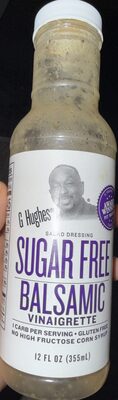
Learn more
Auto-generated content. This description was generated automatically and is pending editorial review. Inaccuracies are possible. Found a mistake? Contact us.