Organic Flaxseeds
Auto-generated content. This description was generated automatically and is pending editorial review. Inaccuracies are possible. Found a mistake? Contact us.
What it is
Organic flaxseeds are the edible seeds of the flax plant, grown without synthetic pesticides or fertilizers. They are small, flat, and typically brown or golden in color. Flaxseeds are harvested and then cleaned and dried.
Why it's used
Flaxseeds are often added to foods for their nutritional value, particularly their fiber and omega-3 fatty acid content. They can also act as a binder in baked goods, replacing eggs, and add a nutty flavor and texture. They are commonly found in breads, cereals, granola bars, and muffins.
Health notes
Flaxseeds are generally recognized as safe (GRAS) by the FDA for use in food. They are a source of dietary fiber, lignans, and alpha-linolenic acid (ALA), an omega-3 fatty acid. Some research suggests that the fiber and lignans in flaxseeds may have benefits for heart health and digestion, though more research is needed. The Joint FAO/WHO Expert Committee on Food Additives (JECFA) has evaluated flaxseeds.
Allergen info
Flaxseeds are not one of the nine major allergens identified by the FDA. They do not contain gluten.
Products containing Organic Flaxseeds
Compare products →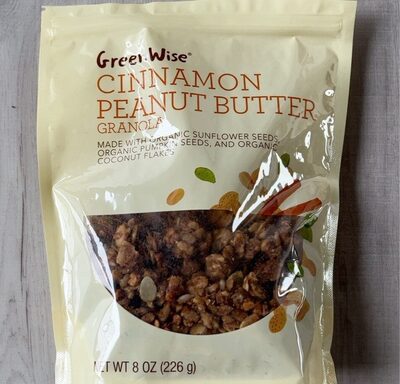 Publix Super Markets, Inc.
Grain-Free Granola, Cinnamon Peanut Butter
600kcal
16.7Protein
50Fat
33.3Carbs
Fed-Up Bars, Inc.
Maple Wicked Energy Bar, Maple
418kcal
32.7Protein
18.2Fat
38.2Carbs
Publix Super Markets, Inc.
Grain-Free Granola, Cinnamon Peanut Butter
600kcal
16.7Protein
50Fat
33.3Carbs
Fed-Up Bars, Inc.
Maple Wicked Energy Bar, Maple
418kcal
32.7Protein
18.2Fat
38.2Carbs