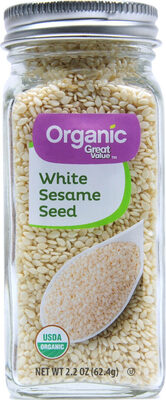
Organic Sesame Seed
What is Organic Sesame Seed?
Organic sesame seeds are the seeds of the sesame plant, grown without synthetic pesticides or fertilizers. The seeds are harvested and typically cleaned and sometimes toasted before use. They are a good source of healthy fats, protein, and fiber.
Is Organic Sesame Seed vegan?
Organic Sesame Seed is not animal-derived. Products that contain it can still include other animal-derived ingredients, so check the full ingredient list.
Is Organic Sesame Seed gluten-free?
It does not contain gluten.
Is Organic Sesame Seed a major allergen?
Sesame is one of the 9 major food allergens recognized by the FDA.
What is Organic Sesame Seed used for?
Sesame seeds are used as a topping for breads, buns, and crackers, adding a nutty flavor and crunchy texture.
Is Organic Sesame Seed safe?
Sesame seeds are generally recognized as safe (GRAS) by the FDA for use in food.
Why it's used
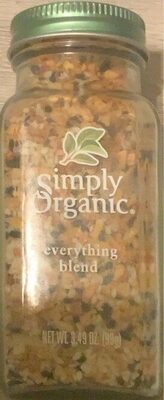
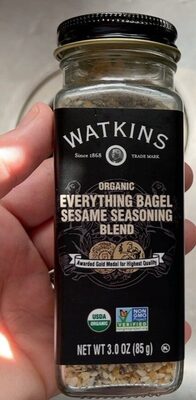
Sesame seeds are used as a topping for breads, buns, and crackers, adding a nutty flavor and crunchy texture. They are also ground into tahini, a paste used in dips and sauces, and incorporated into spice blends and baked goods. Manufacturers use them for flavor, texture, and visual appeal.
Health notes
Sesame seeds are generally recognized as safe (GRAS) by the FDA for use in food. They are a nutrient-dense food, providing healthy fats, protein, fiber, and minerals. International bodies like JECFA and EFSA have evaluated sesame, but no specific numeric limits are set for typical dietary intake. While generally healthy, some individuals may have allergies to sesame.
Allergen info
Sesame is one of the 9 major food allergens recognized by the FDA. It does not contain gluten.
Foods that contain Organic Sesame Seed
Compare products →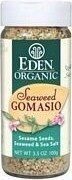
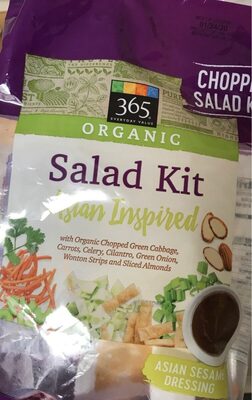
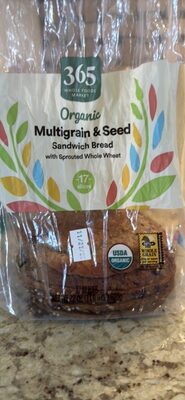
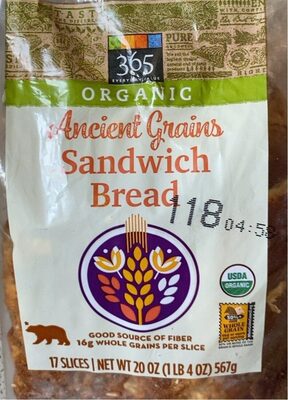 365 Everyday Value
Ancient Grains Sandwich Bread, Ancient Grains
212kcal
9.1Protein
3.0Fat
45.5Carbs
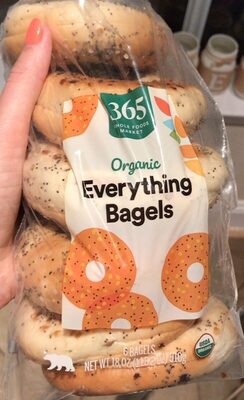
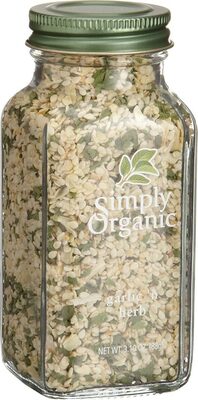
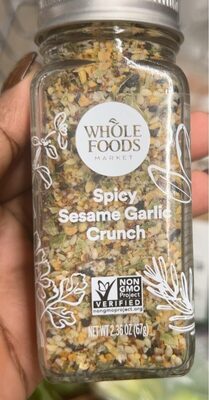
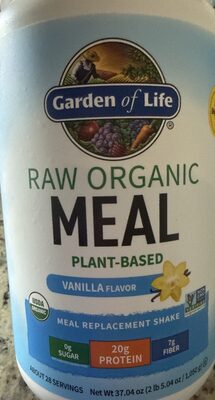
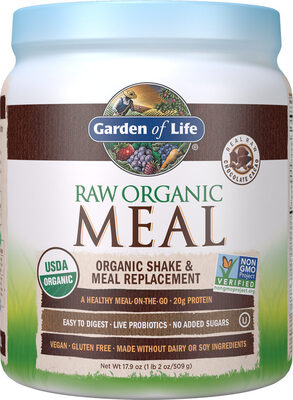
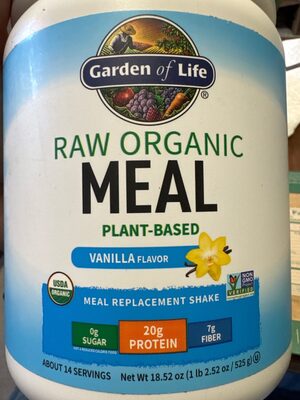
Learn more
Auto-generated content. This description was generated automatically and is pending editorial review. Inaccuracies are possible. Found a mistake? Contact us.