Organic Triticale
What is Organic Triticale?
Organic triticale is a hybrid grain created by crossing wheat (Triticum) and rye (Secale). It combines characteristics of both parent grains, resulting in a hardy crop. The 'organic' designation means it has been grown and processed according to organic farming standards.
Is Organic Triticale vegan?
Organic Triticale is not animal-derived. Products that contain it can still include other animal-derived ingredients, so check the full ingredient list.
Is Organic Triticale gluten-free?
Triticale is derived from wheat and rye, and it contains gluten.
What is Organic Triticale used for?
Manufacturers use triticale primarily as a flour or whole grain ingredient in various baked goods.
Is Organic Triticale safe?
Triticale is considered a whole grain food ingredient and is not regulated as a food additive by the FDA.
Why it's used
Manufacturers use triticale primarily as a flour or whole grain ingredient in various baked goods. It provides a distinct flavor and texture, often found in breads, crackers, and snack bars. Its nutritional profile makes it a desirable component in whole grain products.
Health notes
Triticale is considered a whole grain food ingredient and is not regulated as a food additive by the FDA. As a grain, it is generally recognized as safe for consumption. Triticale contains gluten, similar to wheat and rye, and is therefore not suitable for individuals with celiac disease or gluten sensitivity. There are no specific health controversies associated with triticale itself, beyond the general discussion around gluten in grains.
Allergen info
Triticale is derived from wheat and rye, and it contains gluten. Wheat is one of the nine major food allergens identified by the FDA.
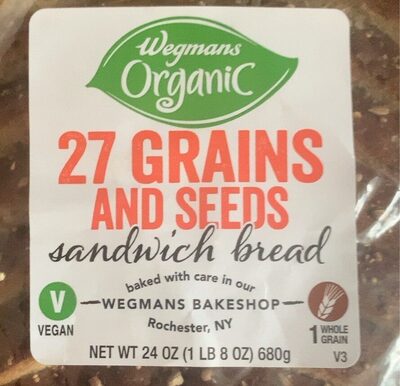
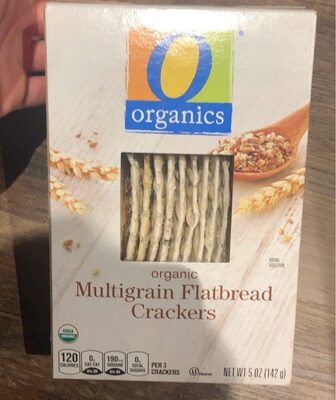
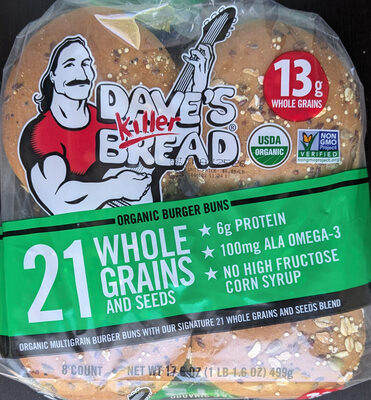
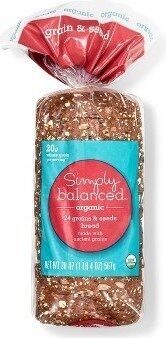
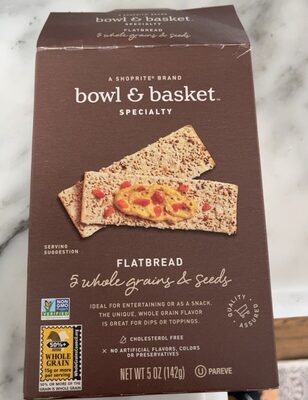
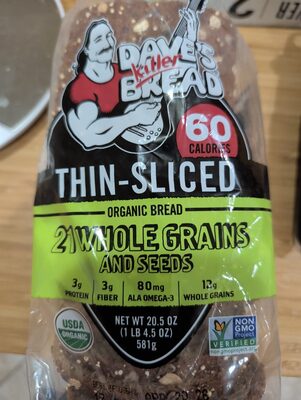
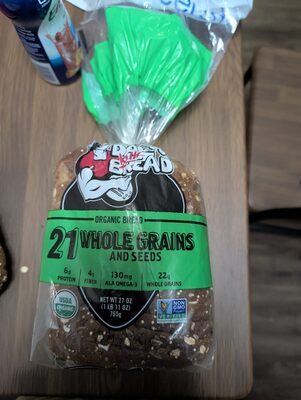
Foods that contain Organic Triticale
Compare products →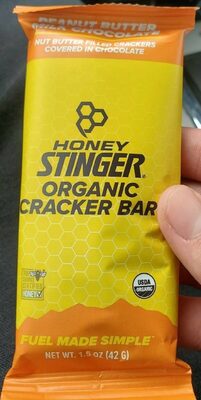
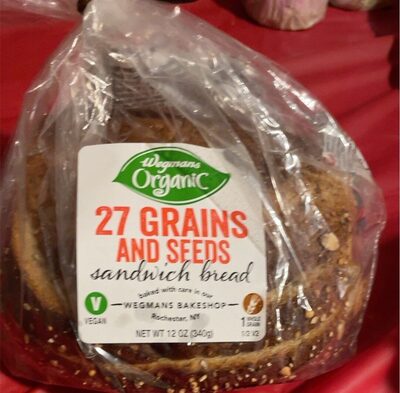
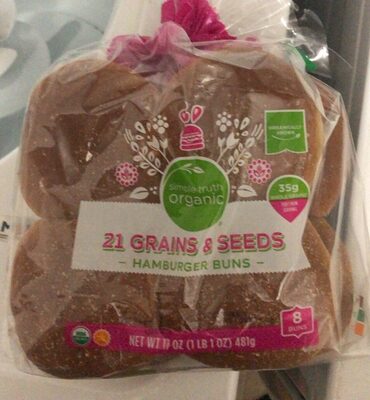
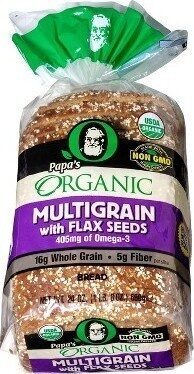
Learn more
Auto-generated content. This description was generated automatically and is pending editorial review. Inaccuracies are possible. Found a mistake? Contact us.