Ovata Seed
What is Ovata Seed?
Ovata seed, also known as psyllium husk, comes from the seeds of the *Plantago ovata* plant, which is native to India. The outer coating of the seed is ground into a powder, which is the part typically used in food.
Is Ovata Seed vegan?
Ovata Seed is not animal-derived. Products that contain it can still include other animal-derived ingredients, so check the full ingredient list.
Is Ovata Seed gluten-free?
It does not contain gluten.
Is Ovata Seed a major allergen?
Psyllium is not derived from any of the nine major allergens recognized by the FDA.
What is Ovata Seed used for?
Psyllium husk is primarily used as a dietary fiber supplement and a thickening agent in foods.
Is Ovata Seed safe?
Psyllium husk is generally recognized as safe (GRAS) by the FDA for use as a dietary fiber.
Why it's used
Psyllium husk is primarily used as a dietary fiber supplement and a thickening agent in foods. It absorbs water and expands, which can help improve texture and provide a feeling of fullness. It is often found in baked goods, cereals, and meat alternatives.
Health notes
Psyllium husk is generally recognized as safe (GRAS) by the FDA for use as a dietary fiber. It is a source of soluble fiber, which may help support digestive health and manage cholesterol levels when consumed as part of a balanced diet. JECFA has evaluated psyllium and established an acceptable daily intake. Some individuals may experience bloating or gas when first consuming psyllium, especially if intake is increased rapidly.
Allergen info
Psyllium is not derived from any of the nine major allergens recognized by the FDA. It does not contain gluten.
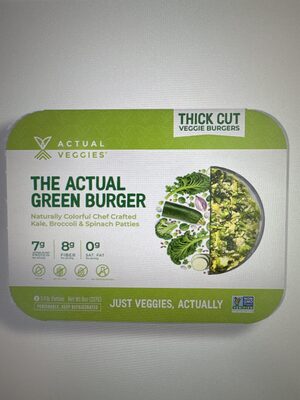
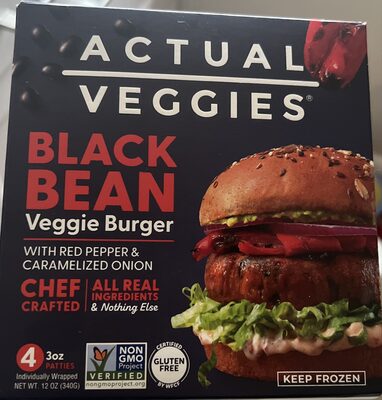
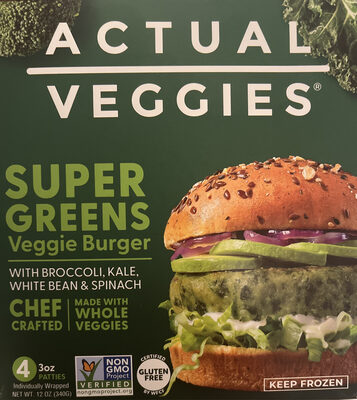
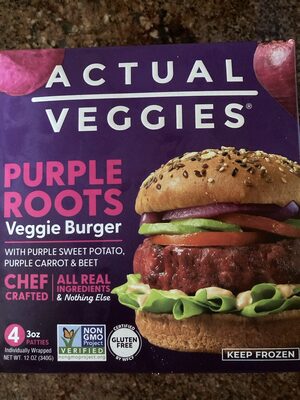
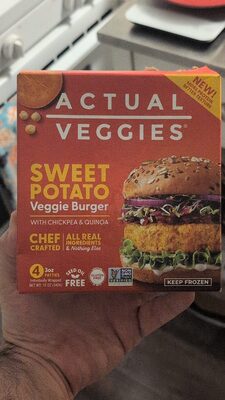
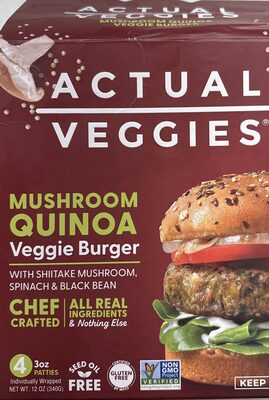
Foods that contain Ovata Seed
Compare products →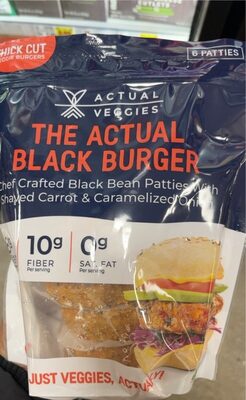
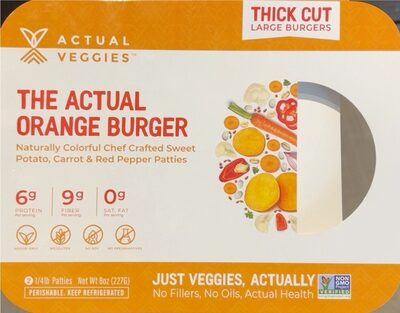
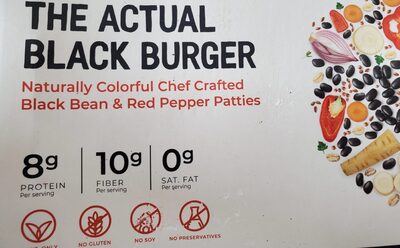
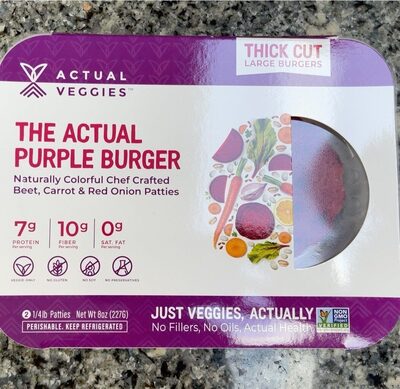
Auto-generated content. This description was generated automatically and is pending editorial review. Inaccuracies are possible. Found a mistake? Contact us.