Pangasianodon Hypophthalmus
What is Pangasianodon Hypophthalmus?
Pangasianodon hypophthalmus is a species of catfish native to Southeast Asia, primarily the Mekong River basin. It is a commercially farmed freshwater fish, often raised in aquaculture systems. The fish is typically processed into fillets for sale.
Is Pangasianodon Hypophthalmus vegan?
No. Pangasianodon Hypophthalmus is animal-derived, so it is not vegan.
Is Pangasianodon Hypophthalmus a major allergen?
Fish is one of the 9 FDA major allergens.
What is Pangasianodon Hypophthalmus used for?
This fish is sold as a source of protein in frozen and fresh forms.
Is Pangasianodon Hypophthalmus safe?
Pangasianodon hypophthalmus is a food fish and is not subject to FDA additive regulations.
Why it's used
This fish is sold as a source of protein in frozen and fresh forms. It is commonly found in frozen fish and seafood products, offering a mild flavor and flaky texture. It is used as a direct food ingredient, not as an additive.
Health notes
Pangasianodon hypophthalmus is a food fish and is not subject to FDA additive regulations. As a fish, it provides protein and other nutrients. Concerns have been raised about aquaculture practices and environmental impacts in some regions where it is farmed, but these are not directly related to the fish's nutritional content itself. The FDA monitors imported seafood for safety.
Allergen info
Fish is one of the 9 FDA major allergens. Pangasianodon hypophthalmus is a type of fish, therefore it is a major allergen.
Foods that contain Pangasianodon Hypophthalmus
Compare products →


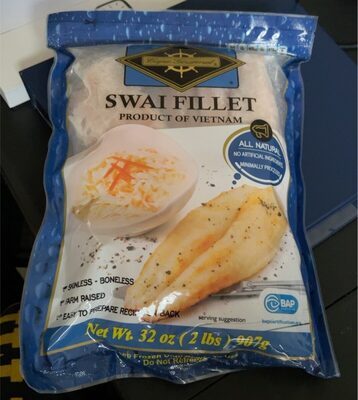
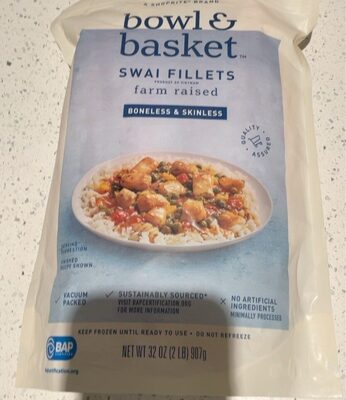

Learn more
Auto-generated content. This description was generated automatically and is pending editorial review. Inaccuracies are possible. Found a mistake? Contact us.