Auto-generated content.
This description was generated automatically and is pending editorial review.
Inaccuracies are possible. Found a mistake? Contact us.
Source
Not animal-derived
Allergen
No
Role in food
Manufacturers historically added PHOs to foods to improve texture, stability, and shelf life. They …
What it is
Partially hydrogenated oils (PHOs) are a type of fat created when liquid vegetable oils go through a process called partial hydrogenation. This process adds hydrogen atoms to the oil, changing its chemical structure. It makes the oil more solid at room temperature and increases its shelf life.
Why it's used
Manufacturers historically added PHOs to foods to improve texture, stability, and shelf life. They were used to give products a desirable mouthfeel and to prevent spoilage. Common foods included baked goods, snack foods, and fried items.
Health notes
Partially hydrogenated oils are no longer generally recognized as safe (GRAS) by the FDA since 2018, effectively removing most artificial trans fat from the US food supply. This action was taken due to concerns about the health effects of artificial trans fats, which are known to raise 'bad' cholesterol levels and increase the risk of heart disease. The FDA's determination was based on extensive scientific evidence regarding the adverse health impacts of artificial trans fat consumption.
Allergen info
Partially hydrogenated oils are typically made from vegetable oils such as soybean, corn, or cottonseed oil. If derived from soybean oil, it would be derived from a major allergen (soy).
Note:
This site presents label data from USDA FoodData Central for general information. It is not medical advice.
Check the package label; formulations change.
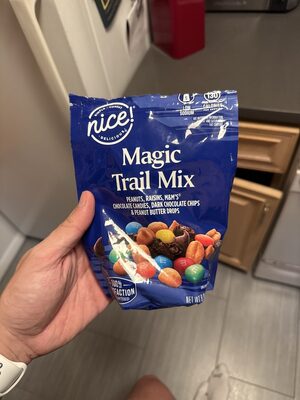 Walgreens Co.
Nice!, Magic Trail Mix
464kcal
10.7Protein
25Fat
57.1Carbs
Walgreens Co.
Nice!, Magic Trail Mix
464kcal
10.7Protein
25Fat
57.1Carbs