Pasta And Vegetables: Pasta
What is Pasta And Vegetables: Pasta?
Pasta is a staple food made from unleavened dough of durum wheat flour mixed with water or eggs. It is formed into various shapes, such as spaghetti, macaroni, and lasagna, and then dried or cooked fresh. Pasta is a good source of carbohydrates, providing energy.
Is Pasta And Vegetables: Pasta vegan?
Pasta And Vegetables: Pasta is not animal-derived. Products that contain it can still include other animal-derived ingredients, so check the full ingredient list.
Is Pasta And Vegetables: Pasta gluten-free?
Pasta made from wheat contains gluten, a protein that can cause adverse reactions in individuals with celiac disease or gluten sensitivity.
What is Pasta And Vegetables: Pasta used for?
Pasta serves as a base for countless dishes, often paired with sauces, meats, and vegetables.
Is Pasta And Vegetables: Pasta safe?
Pasta is a carbohydrate-rich food.
Why it's used
Pasta serves as a base for countless dishes, often paired with sauces, meats, and vegetables. It is a versatile ingredient found in a wide range of products, from frozen meals and pasta salads to soups and side dishes. Its primary function is to provide a filling and satisfying carbohydrate component.
Health notes
Pasta is a carbohydrate-rich food. The U.S. Food and Drug Administration (FDA) regulates pasta ingredients. The Joint FAO/WHO Expert Committee on Food Additives (JECFA) and the European Food Safety Authority (EFSA) have evaluated many food additives used in pasta dishes. Typical consumption of pasta as part of a balanced diet is generally considered safe.
Allergen info
Pasta made from wheat contains gluten, a protein that can cause adverse reactions in individuals with celiac disease or gluten sensitivity. Wheat is one of the FDA's major allergens.
Foods that contain Pasta And Vegetables: Pasta
Compare products →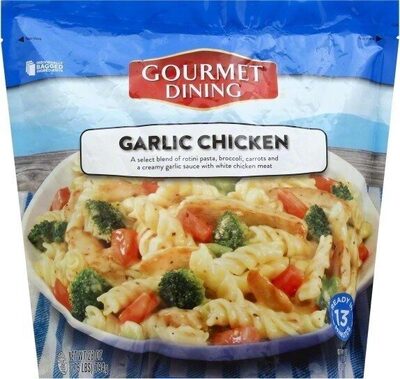
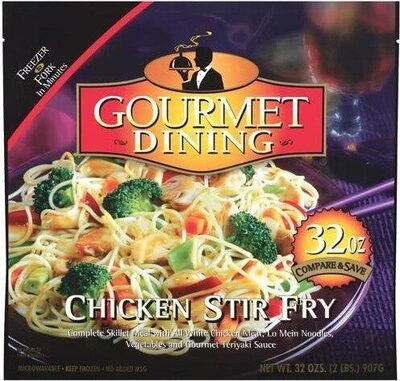
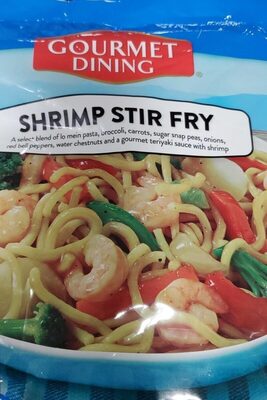
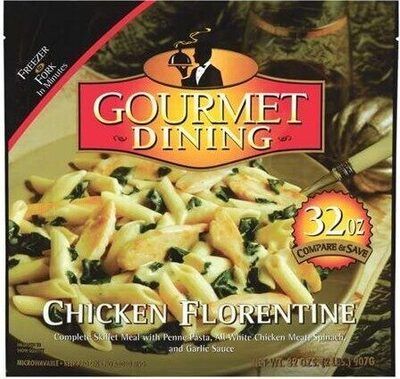
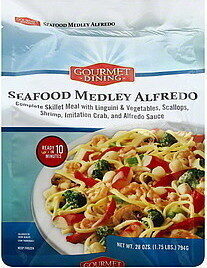
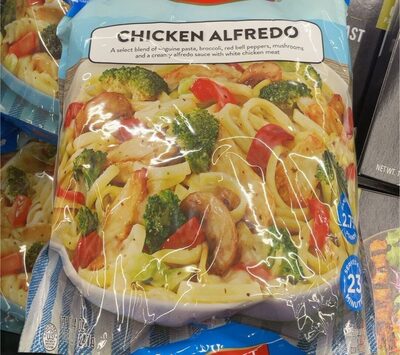
Learn more
Auto-generated content. This description was generated automatically and is pending editorial review. Inaccuracies are possible. Found a mistake? Contact us.