Pasteurized Heavy Cream
What is Pasteurized Heavy Cream?
Pasteurized heavy cream is the high-fat layer skimmed from the top of unhomogenized milk. It contains at least 36% milk fat. The pasteurization process heats the cream to kill harmful bacteria, making it safe for consumption.
Is Pasteurized Heavy Cream vegan?
No. Pasteurized Heavy Cream is animal-derived, so it is not vegan.
Is Pasteurized Heavy Cream gluten-free?
It does not contain gluten.
Is Pasteurized Heavy Cream a major allergen?
Heavy cream is derived from milk, which is one of the 9 FDA major allergens.
What is Pasteurized Heavy Cream used for?
Manufacturers use heavy cream for its rich flavor and creamy texture.
Is Pasteurized Heavy Cream safe?
Heavy cream is a dairy product and a source of saturated fat.
Why it's used
Manufacturers use heavy cream for its rich flavor and creamy texture. It adds richness and body to sauces, soups, desserts, and baked goods. It can also be whipped to create toppings and fillings.
Health notes
Heavy cream is a dairy product and a source of saturated fat. The FDA considers pasteurized milk and cream products safe when properly handled and processed. Regulatory bodies like JECFA and EFSA have evaluated dairy products. Consuming high amounts of saturated fat may be associated with increased risk of heart disease, according to some health organizations.
Allergen info
Heavy cream is derived from milk, which is one of the 9 FDA major allergens. It does not contain gluten.
Foods that contain Pasteurized Heavy Cream
Compare products →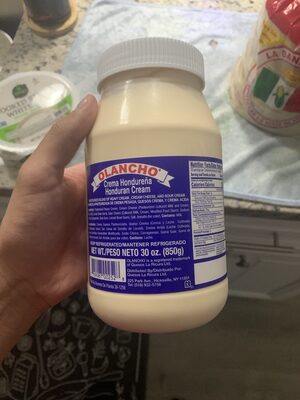
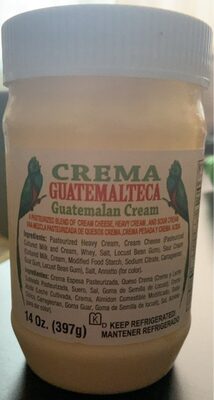
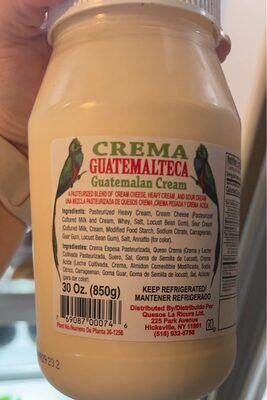
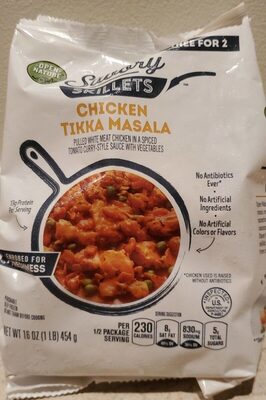
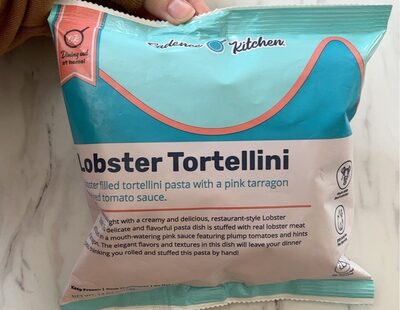
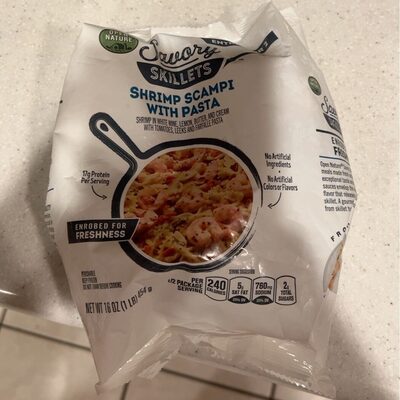
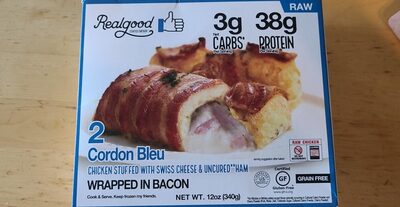
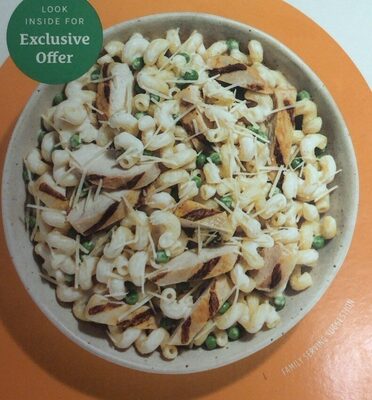
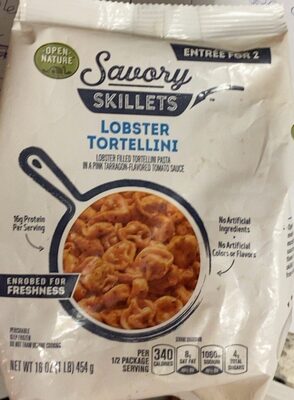
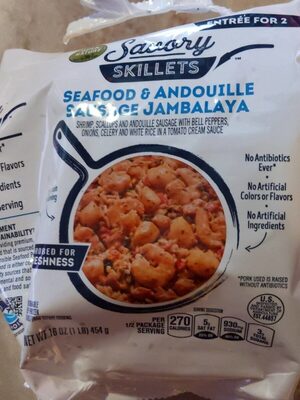
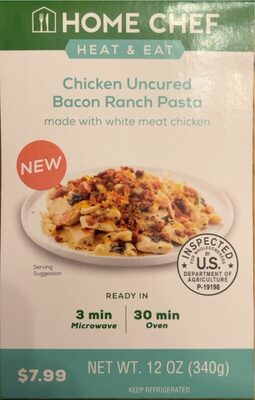
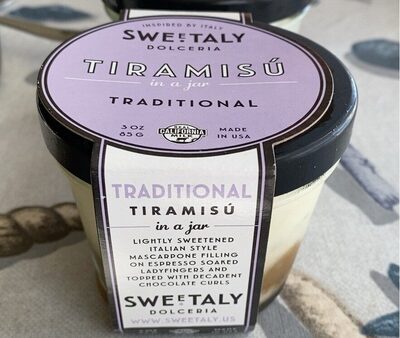
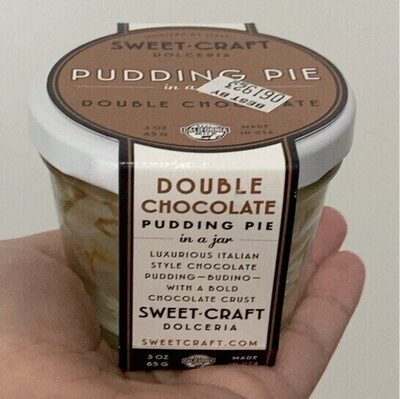
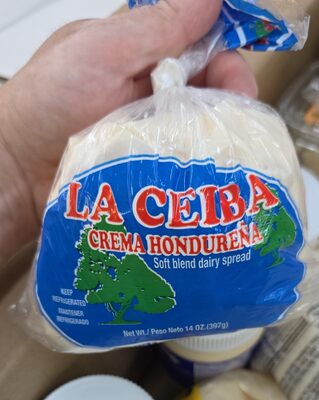
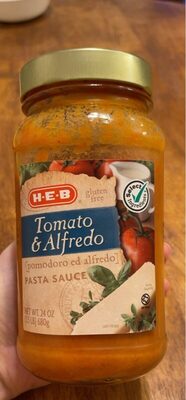
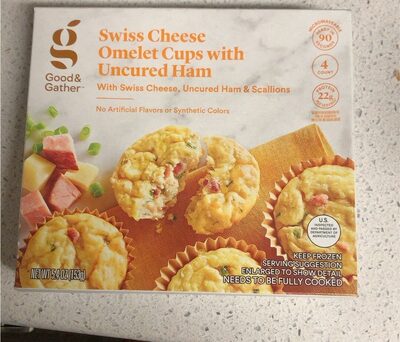
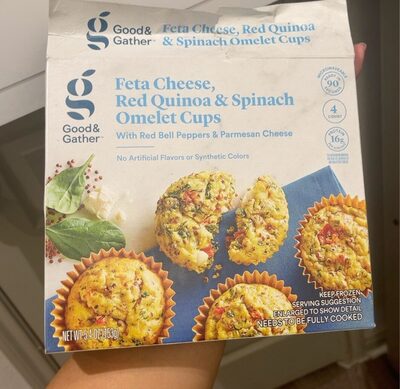
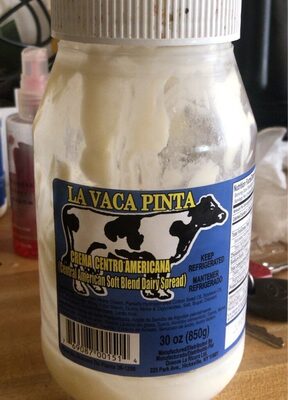
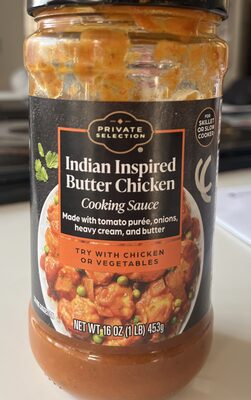
Learn more
Auto-generated content. This description was generated automatically and is pending editorial review. Inaccuracies are possible. Found a mistake? Contact us.