Pasteurized Process Cheese
What is Pasteurized Process Cheese?
Pasteurized process cheese is a food product made from one or more cheeses, mixed with an emulsifying agent, and then heated. The emulsifying agents help to prevent the fats from separating out, creating a smooth, uniform texture. This process also makes the cheese more stable and easier to melt.
Is Pasteurized Process Cheese vegan?
No. Pasteurized Process Cheese is animal-derived, so it is not vegan.
Is Pasteurized Process Cheese gluten-free?
It does not contain gluten.
Is Pasteurized Process Cheese a major allergen?
Pasteurized process cheese is derived from milk, which is one of the 9 FDA major allergens.
What is Pasteurized Process Cheese used for?
Manufacturers use pasteurized process cheese for its smooth melting properties and shelf stability.
Is Pasteurized Process Cheese safe?
Pasteurized process cheese is generally recognized as safe (GRAS) by the FDA.
Why it's used
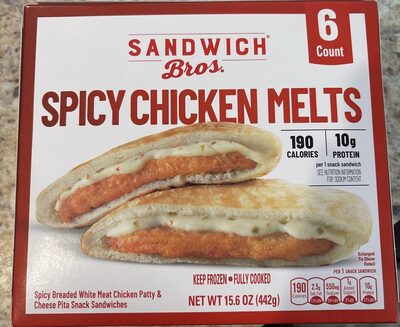
Manufacturers use pasteurized process cheese for its smooth melting properties and shelf stability. It is commonly found in processed cheese slices, cheese sauces, and as a topping for snacks like nachos and baked potatoes. It also appears in frozen breakfast items and appetizers.
Health notes
Pasteurized process cheese is generally recognized as safe (GRAS) by the FDA. It is a source of calcium and protein. Regulatory bodies like JECFA have evaluated it. While generally considered safe for consumption, like all processed foods, it can be high in sodium.
Allergen info
Pasteurized process cheese is derived from milk, which is one of the 9 FDA major allergens. It does not contain gluten.
Foods that contain Pasteurized Process Cheese
Compare products →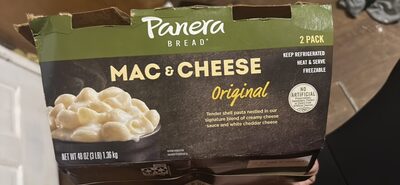
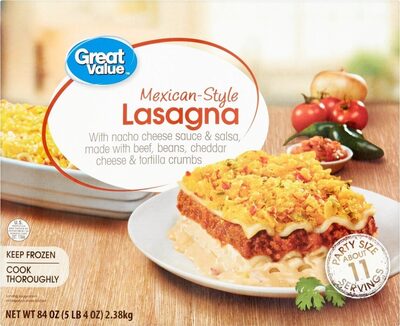
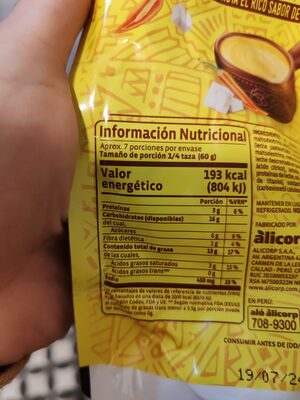

Learn more
Auto-generated content. This description was generated automatically and is pending editorial review. Inaccuracies are possible. Found a mistake? Contact us.