Phenylalanine
What is Phenylalanine?
Phenylalanine is one of the nine essential amino acids, meaning the human body cannot make it and it must be obtained from food. It is found naturally in protein-rich foods like meat, fish, eggs, and dairy. It can also be produced synthetically for use as a food additive.
Is Phenylalanine gluten-free?
It does not contain gluten.
Is Phenylalanine a major allergen?
Phenylalanine is not one of the nine FDA major allergens.
What is Phenylalanine used for?
Phenylalanine is most commonly used as a component of artificial sweeteners, particularly aspartame.
Is Phenylalanine safe?
Phenylalanine is Generally Recognized As Safe (GRAS) by the FDA when used as a food ingredient.
Why it's used
Phenylalanine is most commonly used as a component of artificial sweeteners, particularly aspartame. It is also used in some dietary supplements. You may find it in sugar-free gum, mints, and powdered drink mixes.
Health notes
Phenylalanine is Generally Recognized As Safe (GRAS) by the FDA when used as a food ingredient. It is an essential amino acid, but individuals with the genetic disorder phenylketonuria (PKU) must limit their intake due to an inability to metabolize it properly. The Joint FAO/WHO Expert Committee on Food Additives (JECFA) has evaluated phenylalanine and its derivatives. Foods containing aspartame are required to carry a warning label for individuals with PKU.
Allergen info
Phenylalanine is not one of the nine FDA major allergens. It does not contain gluten.
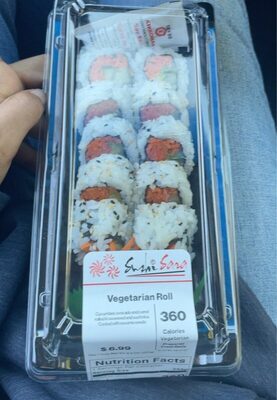
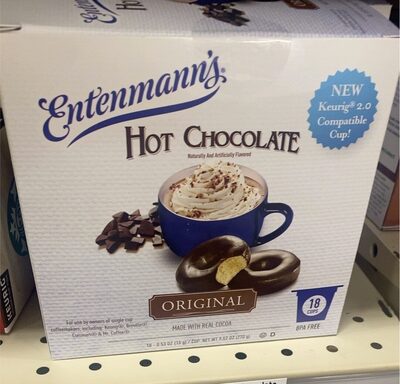
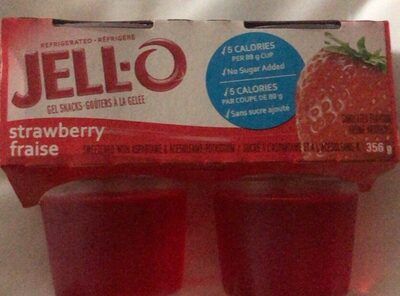
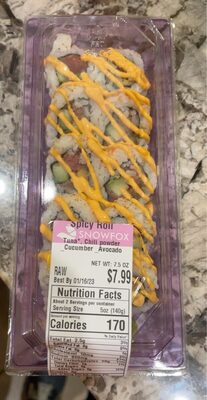
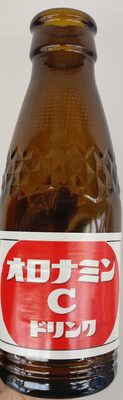
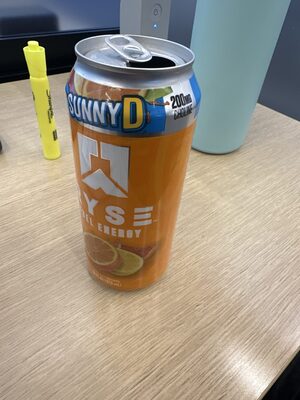
Foods that contain Phenylalanine
Compare products →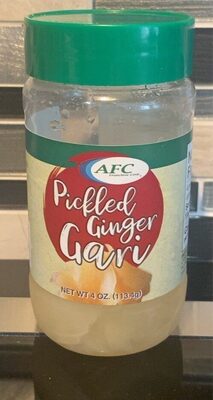
Learn more
Auto-generated content. This description was generated automatically and is pending editorial review. Inaccuracies are possible. Found a mistake? Contact us.