Pork Fat With Attached Skin
What is Pork Fat With Attached Skin?
Pork fat with attached skin, often called pork cracklings or pork rinds, is the fatty tissue and skin of a pig. It is typically rendered (cooked to remove fat) and then fried or baked until crisp.
Is Pork Fat With Attached Skin vegan?
No. Pork Fat With Attached Skin is animal-derived, so it is not vegan.
Is Pork Fat With Attached Skin gluten-free?
It does not contain gluten.
Is Pork Fat With Attached Skin a major allergen?
Pork fat with attached skin is not derived from any of the nine FDA major allergens.
What is Pork Fat With Attached Skin used for?
This ingredient is primarily used to add a savory, crunchy texture and rich flavor to snack foods.
Is Pork Fat With Attached Skin safe?
Pork fat with attached skin is generally recognized as safe (GRAS) by the FDA for its intended use in food.
Why it's used
This ingredient is primarily used to add a savory, crunchy texture and rich flavor to snack foods. It is most commonly found in pork rinds, chicharrones, and other savory snacks, often seasoned with spices.
Health notes
Pork fat with attached skin is generally recognized as safe (GRAS) by the FDA for its intended use in food. It is a source of protein and fat. Regulatory bodies like JECFA and EFSA have evaluated similar fats and oils. While a source of calories and fat, it is consumed in moderation as part of a varied diet.
Allergen info
Pork fat with attached skin is not derived from any of the nine FDA major allergens. It does not contain gluten.
Foods that contain Pork Fat With Attached Skin
Compare products →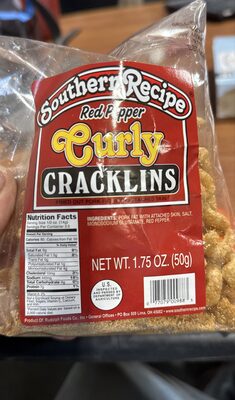
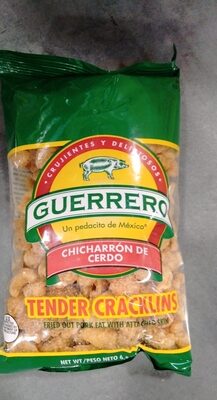
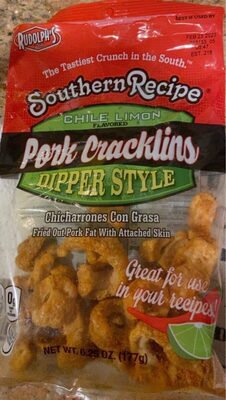
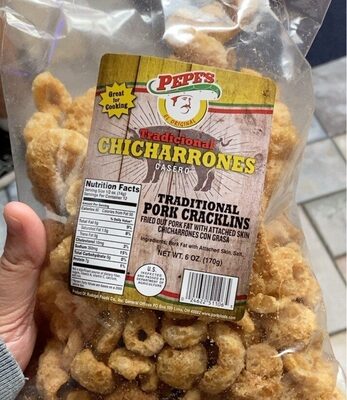
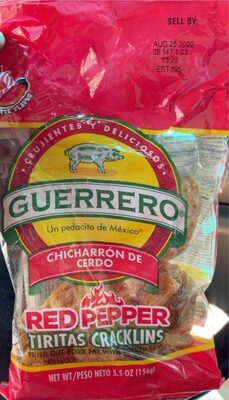
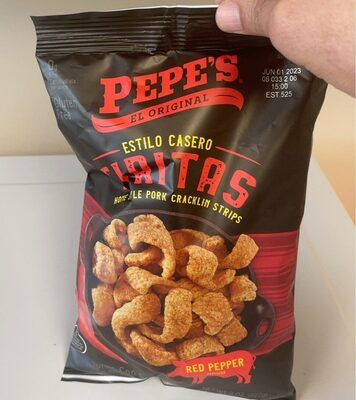
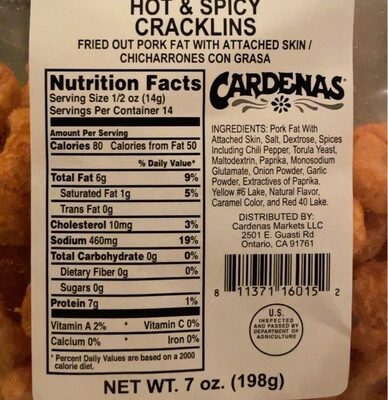
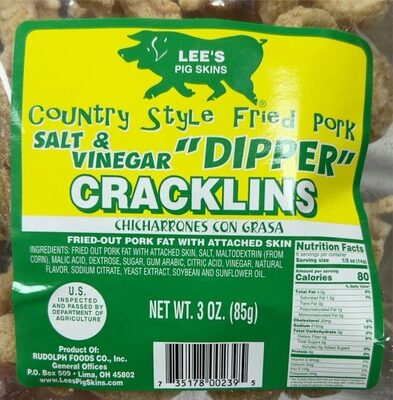
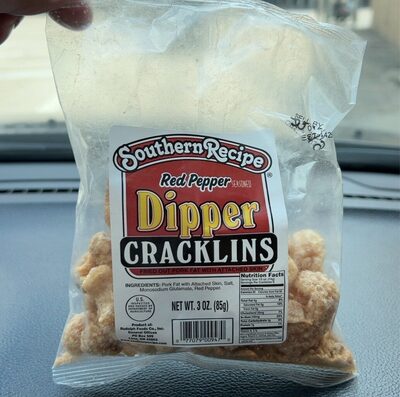
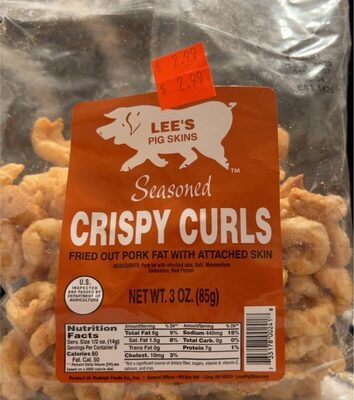
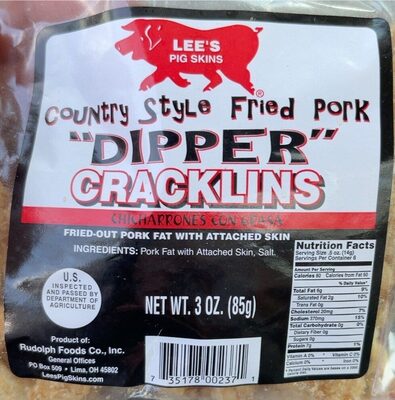
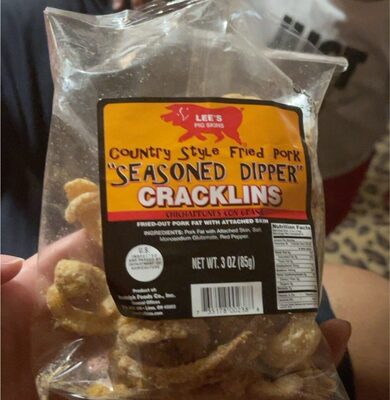
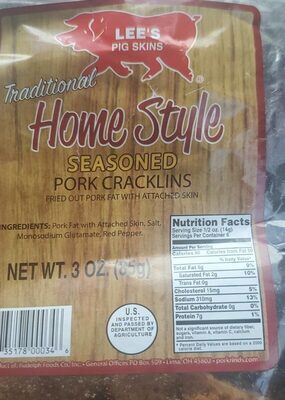
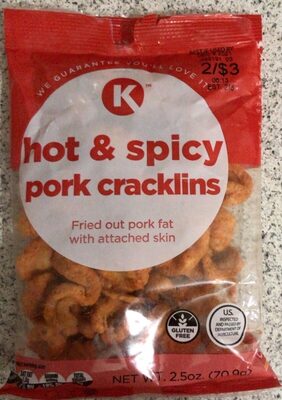
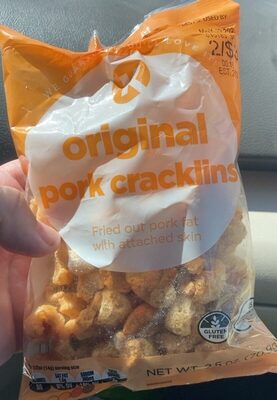
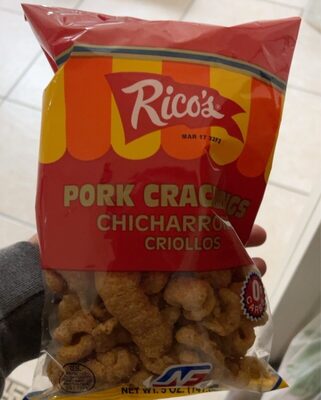
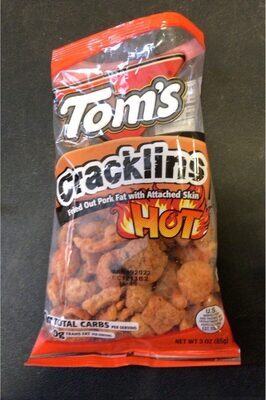
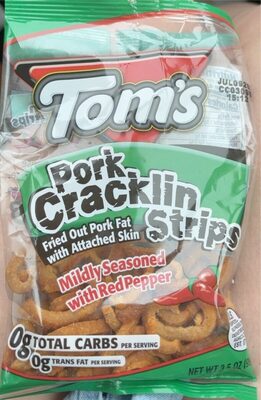
Learn more
Auto-generated content. This description was generated automatically and is pending editorial review. Inaccuracies are possible. Found a mistake? Contact us.