Pumpkin Flakes
What is Pumpkin Flakes?
Pumpkin flakes are dried and ground pieces of pumpkin. Pumpkins are a type of winter squash, typically orange in color, grown globally. The flakes are made by dehydrating pumpkin flesh and then milling it into a powder or small flakes.
Is Pumpkin Flakes vegan?
Pumpkin Flakes is not animal-derived. Products that contain it can still include other animal-derived ingredients, so check the full ingredient list.
Is Pumpkin Flakes gluten-free?
It does not contain gluten.
Is Pumpkin Flakes a major allergen?
Pumpkin is not one of the nine major allergens recognized by the FDA.
What is Pumpkin Flakes used for?
Manufacturers use pumpkin flakes to add pumpkin flavor, color, and nutrients to foods.
Is Pumpkin Flakes safe?
Pumpkin flakes are generally recognized as safe (GRAS) by the FDA for use in food.
Why it's used
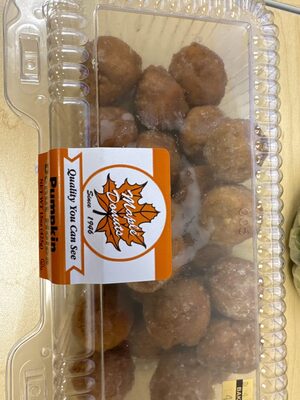
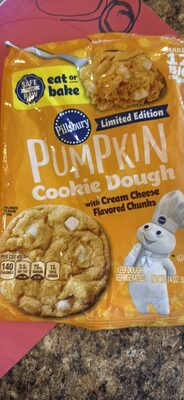
Manufacturers use pumpkin flakes to add pumpkin flavor, color, and nutrients to foods. They are often found in baked goods like cakes, muffins, and bread mixes, as well as in snack bars and cereals, providing a natural source of pumpkin taste and texture.
Health notes
Pumpkin flakes are generally recognized as safe (GRAS) by the FDA for use in food. They are a source of fiber, vitamins, and minerals. International bodies like JECFA have evaluated pumpkin and its components, but no specific health concerns are associated with typical consumption levels of pumpkin flakes.
Allergen info
Pumpkin is not one of the nine major allergens recognized by the FDA. It does not contain gluten.
Foods that contain Pumpkin Flakes
Compare products →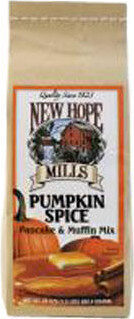
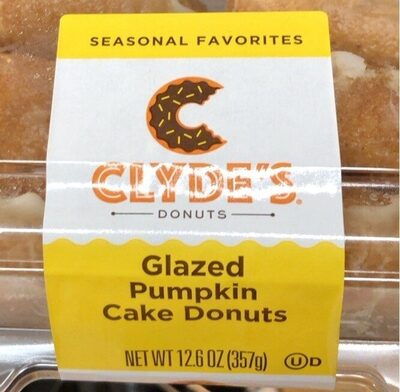
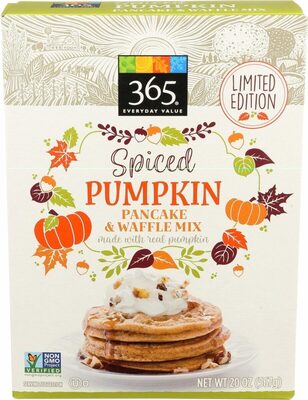
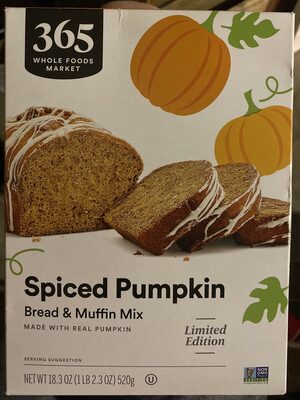
Auto-generated content. This description was generated automatically and is pending editorial review. Inaccuracies are possible. Found a mistake? Contact us.