Rbgh-free Milk
What is Rbgh-free Milk?
Milk from cows that have not been treated with recombinant bovine growth hormone (rBGH), also known as recombinant bovine somatotropin (rBST). This hormone is naturally produced by cows and helps increase milk production. The use of rBGH in dairy cows is approved by the FDA.
Is Rbgh-free Milk vegan?
No. Rbgh-free Milk is animal-derived, so it is not vegan.
Is Rbgh-free Milk a major allergen?
Milk is one of the nine major allergens identified by the FDA.
What is Rbgh-free Milk used for?
Milk is a fundamental ingredient in a vast array of foods, providing moisture, richness, and acting as a base for many products.
Is Rbgh-free Milk safe?
The FDA has stated that milk from cows treated with rBST is safe for human consumption.
Why it's used
Milk is a fundamental ingredient in a vast array of foods, providing moisture, richness, and acting as a base for many products. It is used in baked goods like cakes, breads, and pastries, as well as in dairy products, sauces, and beverages.
Health notes
The FDA has stated that milk from cows treated with rBST is safe for human consumption. Scientific organizations, including the World Health Organization, have not found significant differences in milk composition from cows treated with rBST compared to untreated cows. Some consumers prefer milk labeled 'rBGH-free' due to concerns about animal welfare and potential effects on cows, though scientific consensus supports the safety of milk from treated cows.
Allergen info
Milk is one of the nine major allergens identified by the FDA. Therefore, rBGH-free milk is a major allergen.
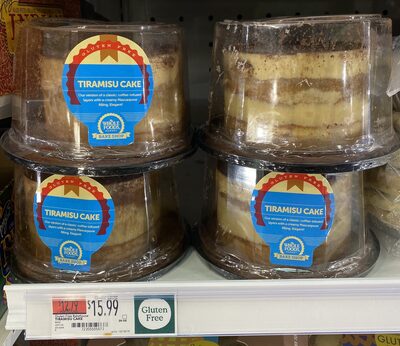
Foods that contain Rbgh-free Milk
Compare products →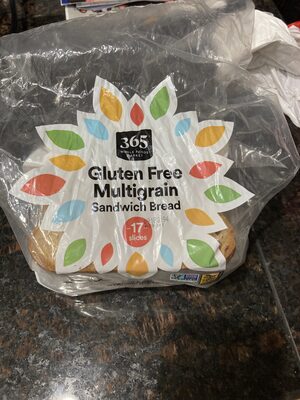
Learn more
Auto-generated content. This description was generated automatically and is pending editorial review. Inaccuracies are possible. Found a mistake? Contact us.