Resistant Starch
What is Resistant Starch?
Resistant starch is a type of fiber that acts like starch but resists digestion in the small intestine. It is found naturally in some foods like green bananas, cooked and cooled potatoes, and legumes. It can also be added to foods during processing.
Is Resistant Starch vegan?
Resistant Starch is not animal-derived. Products that contain it can still include other animal-derived ingredients, so check the full ingredient list.
Is Resistant Starch gluten-free?
It does not contain gluten.
Is Resistant Starch a major allergen?
Resistant starch is not derived from any of the 9 major allergens.
What is Resistant Starch used for?
Manufacturers add resistant starch to foods to increase their fiber content, which can help with digestive health.
Is Resistant Starch safe?
Resistant starch is generally recognized as safe (GRAS) by the FDA for use in food.
Why it's used
Manufacturers add resistant starch to foods to increase their fiber content, which can help with digestive health. It can also be used to improve the texture and mouthfeel of products. It is commonly found in baked goods, cereals, and nutritional supplements.
Health notes
Resistant starch is generally recognized as safe (GRAS) by the FDA for use in food. It functions as a prebiotic fiber, feeding beneficial bacteria in the gut. JECFA has evaluated resistant starch and did not set a numeric limit (ADI not specified). Some research suggests potential benefits for blood sugar control and satiety, but more studies are needed to confirm these effects.
Allergen info
Resistant starch is not derived from any of the 9 major allergens. It does not contain gluten.
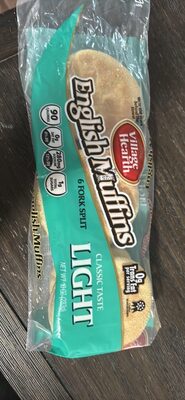
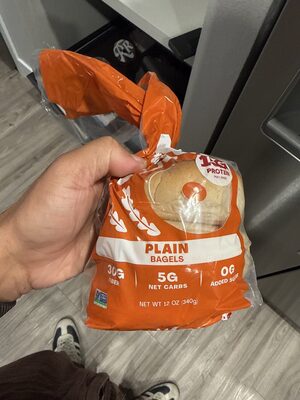
Foods that contain Resistant Starch
Compare products →






Learn more
Auto-generated content. This description was generated automatically and is pending editorial review. Inaccuracies are possible. Found a mistake? Contact us.