Rice Pasta
What is Rice Pasta?
Rice pasta is a type of pasta made from rice flour, water, and sometimes other ingredients like corn starch or tapioca starch. It is produced by mixing these ingredients into a dough, which is then extruded into various pasta shapes and dried. Rice pasta is a popular alternative for individuals with gluten sensitivities or celiac disease.
Is Rice Pasta vegan?
Rice Pasta is not animal-derived. Products that contain it can still include other animal-derived ingredients, so check the full ingredient list.
Is Rice Pasta gluten-free?
It is naturally gluten-free.
Is Rice Pasta a major allergen?
Rice pasta is not derived from any of the 9 FDA major allergens.
What is Rice Pasta used for?
Rice pasta is used as a gluten-free substitute for traditional wheat-based pasta.
Is Rice Pasta safe?
Rice pasta is generally recognized as safe (GRAS) by the FDA when used as a food ingredient.
Why it's used
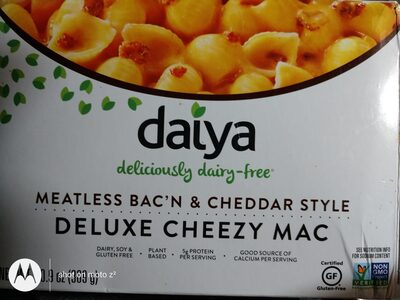
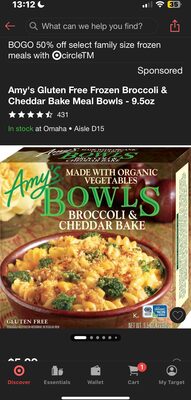
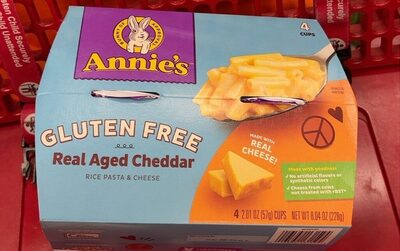
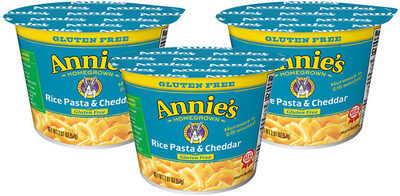
Rice pasta is used as a gluten-free substitute for traditional wheat-based pasta. Manufacturers use it in a variety of products, including pasta dinners, frozen meals, and side dishes. Its neutral flavor and texture make it versatile for many pasta recipes.
Health notes
Rice pasta is generally recognized as safe (GRAS) by the FDA when used as a food ingredient. It is a common staple in gluten-free diets. The Joint FAO/WHO Expert Committee on Food Additives (JECFA) has evaluated rice starch, a common component, and established specifications for its use. Evidence does not suggest adverse health effects from consuming rice pasta at typical dietary levels.
Allergen info
Rice pasta is not derived from any of the 9 FDA major allergens. It is naturally gluten-free.
Foods that contain Rice Pasta
Compare products →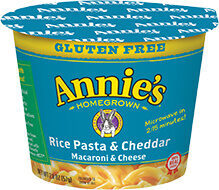
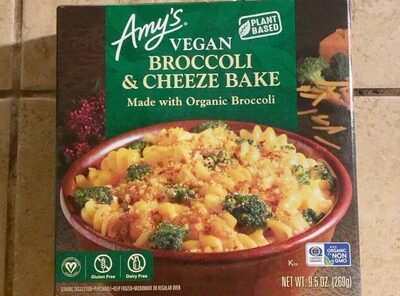
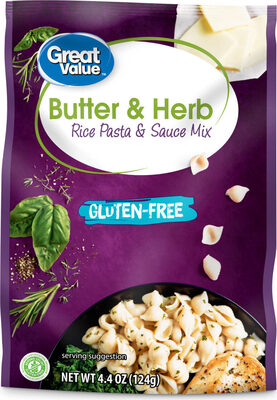
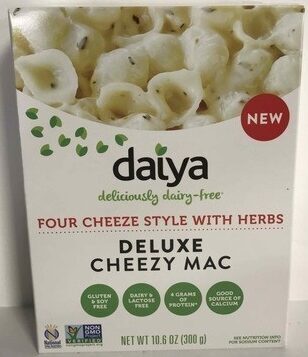
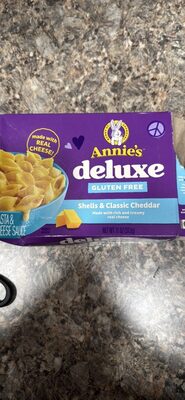
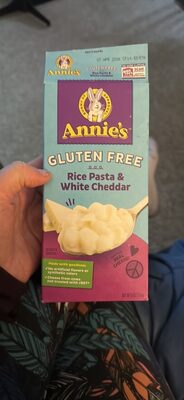
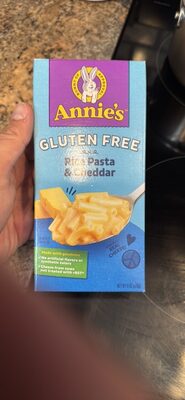
Learn more
Auto-generated content. This description was generated automatically and is pending editorial review. Inaccuracies are possible. Found a mistake? Contact us.