Roasted Edamame
What is Roasted Edamame?
Edamame are immature soybeans, typically harvested while still in the pod. For roasting, edamame are typically shelled, seasoned, and then roasted or baked until crisp. This process enhances their nutty flavor and creates a crunchy texture.
Is Roasted Edamame vegan?
Roasted Edamame is not animal-derived. Products that contain it can still include other animal-derived ingredients, so check the full ingredient list.
Is Roasted Edamame gluten-free?
They do not contain gluten.
Is Roasted Edamame a major allergen?
Edamame are soybeans, which are one of the 9 FDA major allergens.
What is Roasted Edamame used for?
Roasted edamame are used as a savory snack, often seasoned with salt, spices, or other flavorings.
Is Roasted Edamame safe?
Edamame are a natural food product and are generally recognized as safe (GRAS) by the FDA when used as food.
Why it's used
Roasted edamame are used as a savory snack, often seasoned with salt, spices, or other flavorings. They are also incorporated into trail mixes, salads, and as a crunchy topping for various dishes, adding protein and texture.
Health notes
Edamame are a natural food product and are generally recognized as safe (GRAS) by the FDA when used as food. They are a good source of plant-based protein, fiber, and various vitamins and minerals. International bodies like JECFA and EFSA have evaluated soybeans and soy products, generally finding them safe for consumption. Evidence suggests soy consumption may have various health benefits, though research is ongoing.
Allergen info
Edamame are soybeans, which are one of the 9 FDA major allergens. They do not contain gluten.
Foods that contain Roasted Edamame
Compare products →
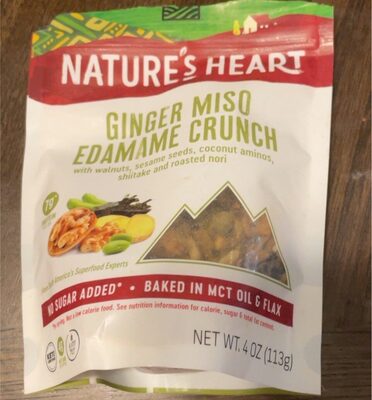

Learn more
Auto-generated content. This description was generated automatically and is pending editorial review. Inaccuracies are possible. Found a mistake? Contact us.