Roma Tomato
What is Roma Tomato?
The Roma tomato is a variety of plum tomato, known for its firm, meaty flesh and fewer seeds compared to other tomato types. It is grown worldwide and is a popular choice for cooking and processing due to its low moisture content.
Is Roma Tomato vegan?
Roma Tomato is not animal-derived. Products that contain it can still include other animal-derived ingredients, so check the full ingredient list.
Is Roma Tomato gluten-free?
They do not contain gluten.
Is Roma Tomato a major allergen?
Tomatoes are not one of the nine major allergens recognized by the FDA.
What is Roma Tomato used for?
Roma tomatoes are frequently used in sauces, pastes, and canned products because their dense flesh holds up well during cooking.
Is Roma Tomato safe?
Tomatoes are a source of vitamins, minerals, and antioxidants like lycopene.
Why it's used
Roma tomatoes are frequently used in sauces, pastes, and canned products because their dense flesh holds up well during cooking. They are also common in fresh preparations like salsas and salads, adding a concentrated tomato flavor.
Health notes
Tomatoes are a source of vitamins, minerals, and antioxidants like lycopene. The FDA considers tomatoes to be generally recognized as safe (GRAS) for consumption. International bodies like JECFA have evaluated tomatoes and their components, but no specific health concerns are associated with their typical dietary intake.
Allergen info
Tomatoes are not one of the nine major allergens recognized by the FDA. They do not contain gluten.
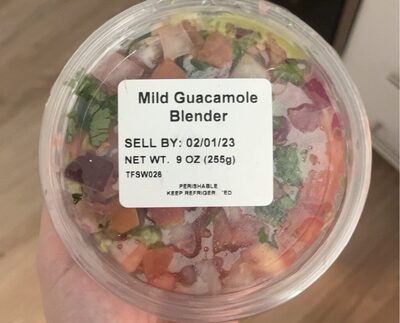
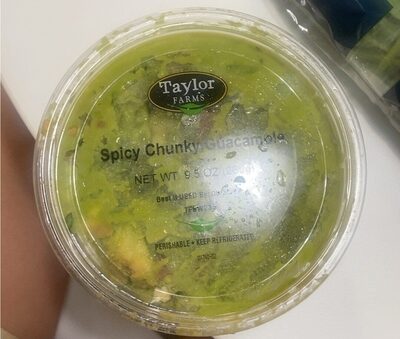
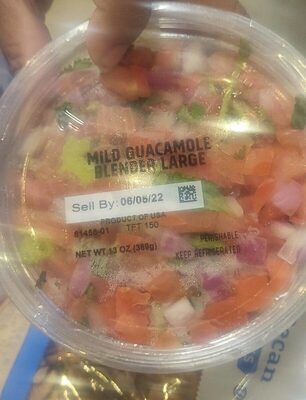
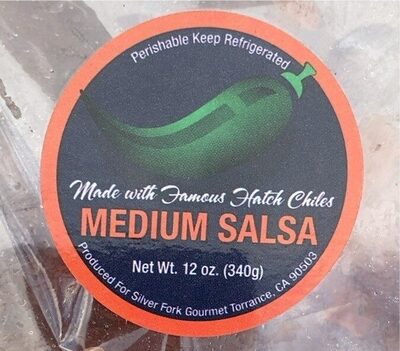
Foods that contain Roma Tomato
Compare products →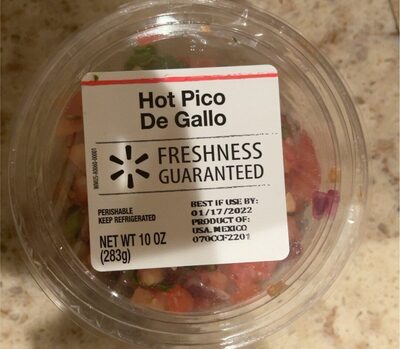
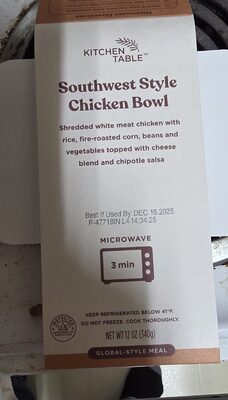
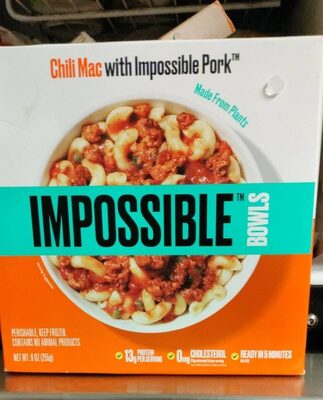
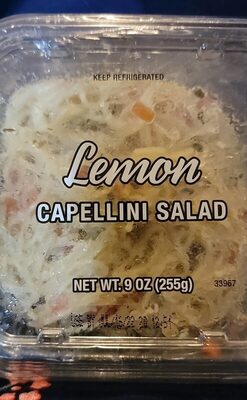

Auto-generated content. This description was generated automatically and is pending editorial review. Inaccuracies are possible. Found a mistake? Contact us.