Romano And Parmesan Cheeses
What is Romano And Parmesan Cheeses?
Romano and Parmesan are hard, granular cheeses made from cow's milk. They are aged for extended periods, which develops their sharp, salty flavor and crumbly texture. Both are traditionally made in Italy but are produced worldwide.
Is Romano And Parmesan Cheeses vegan?
No. Romano And Parmesan Cheeses is animal-derived, so it is not vegan.
Is Romano And Parmesan Cheeses gluten-free?
They do not contain gluten.
Is Romano And Parmesan Cheeses a major allergen?
Both Romano and Parmesan cheeses are derived from milk, which is one of the 9 FDA major allergens.
What is Romano And Parmesan Cheeses used for?
These cheeses are primarily used for their strong, savory flavor, often referred to as umami.
Is Romano And Parmesan Cheeses safe?
Romano and Parmesan cheeses are generally recognized as safe (GRAS) by the FDA as food ingredients.
Why it's used
These cheeses are primarily used for their strong, savory flavor, often referred to as umami. They are commonly grated over pasta dishes, soups, salads, and used as a flavoring in sauces, dressings, and frozen meals.
Health notes
Romano and Parmesan cheeses are generally recognized as safe (GRAS) by the FDA as food ingredients. They are a source of protein, calcium, and other nutrients. International bodies like JECFA have evaluated cheese as a food category. Evidence does not suggest adverse health effects from typical consumption.
Allergen info
Both Romano and Parmesan cheeses are derived from milk, which is one of the 9 FDA major allergens. They do not contain gluten.
Foods that contain Romano And Parmesan Cheeses
Compare products →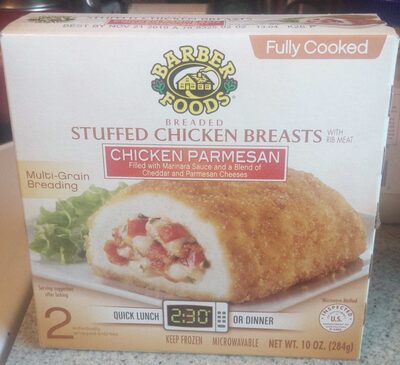
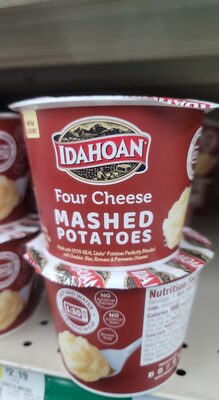
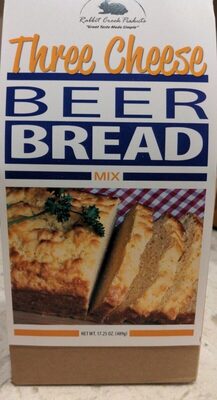
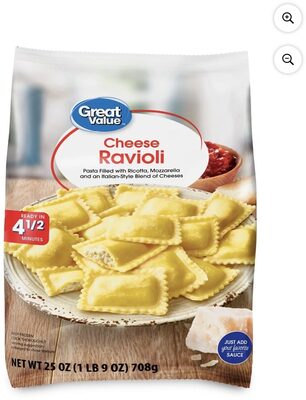
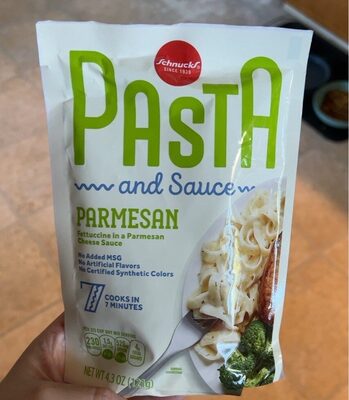
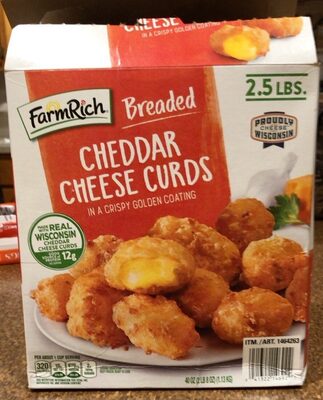

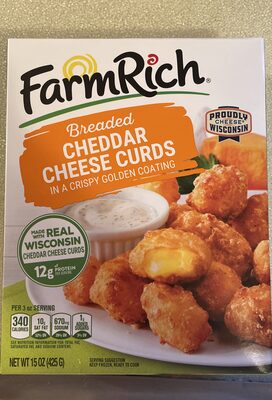

Learn more
Auto-generated content. This description was generated automatically and is pending editorial review. Inaccuracies are possible. Found a mistake? Contact us.