Romano Cheese Made From Cow's Milk
What is Romano Cheese Made From Cow's Milk?
Romano cheese made from cow's milk is a hard, salty, and sharp Italian-style cheese. It is produced by aging cow's milk with specific bacterial cultures and enzymes, resulting in a firm texture and pungent flavor. This cheese is often grated due to its hard consistency.
Is Romano Cheese Made From Cow's Milk vegan?
No. Romano Cheese Made From Cow's Milk is animal-derived, so it is not vegan.
Is Romano Cheese Made From Cow's Milk a major allergen?
This ingredient contains milk, which is one of the nine major food allergens identified by the FDA.
What is Romano Cheese Made From Cow's Milk used for?
Manufacturers add Romano cheese to products primarily for its distinct savory and salty flavor, as well as its texture.
Is Romano Cheese Made From Cow's Milk safe?
Romano cheese is a food product regulated by the FDA, not a food additive.
Why it's used
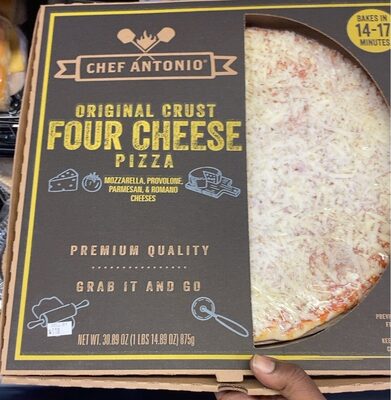
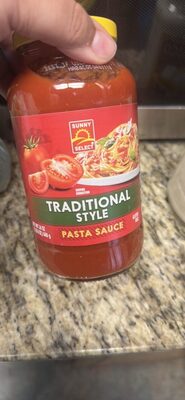
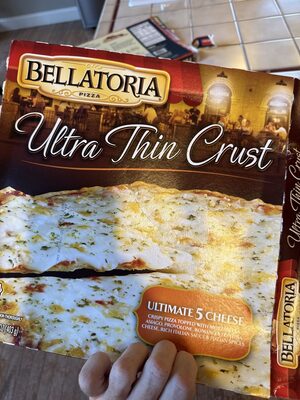
Manufacturers add Romano cheese to products primarily for its distinct savory and salty flavor, as well as its texture. It is commonly found in prepared pasta sauces, pizzas, salad dressings, and various dough-based products to enhance their taste profile.
Health notes
Romano cheese is a food product regulated by the FDA, not a food additive. As a dairy product, it is generally considered safe for consumption by most individuals. However, like all dairy, it contains lactose, which can cause digestive discomfort in people with lactose intolerance. There are no specific health controversies unique to Romano cheese made from cow's milk.
Allergen info
This ingredient contains milk, which is one of the nine major food allergens identified by the FDA.
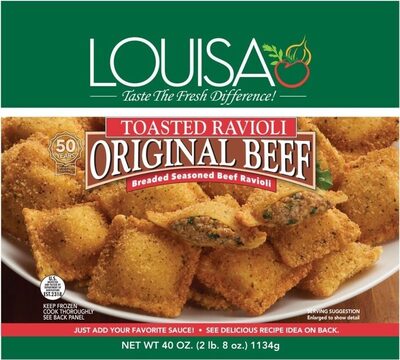
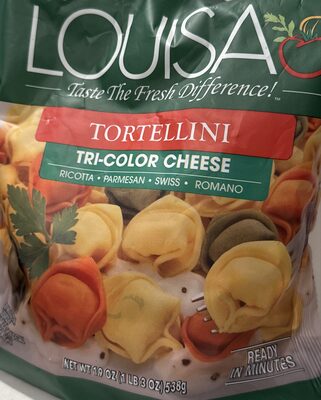
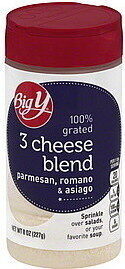
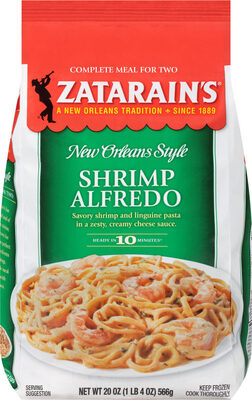
Foods that contain Romano Cheese Made From Cow's Milk
Compare products →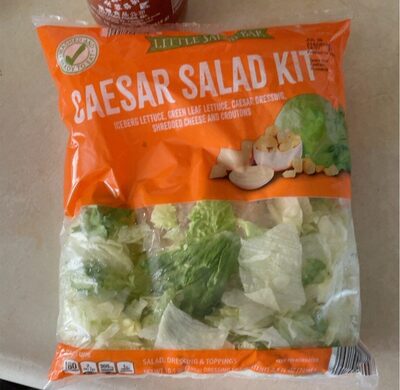
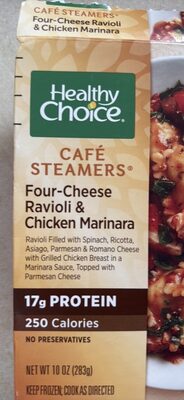
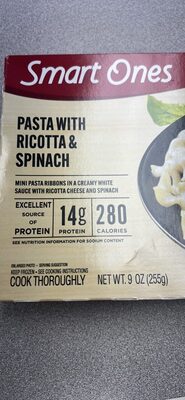
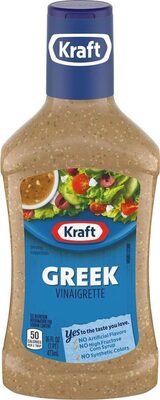
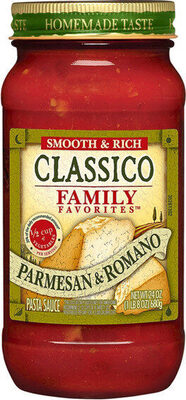
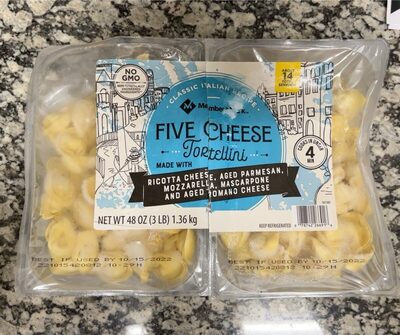
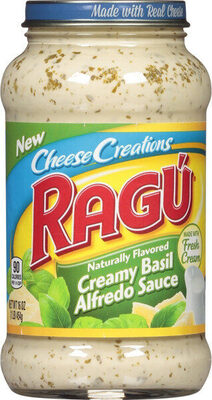
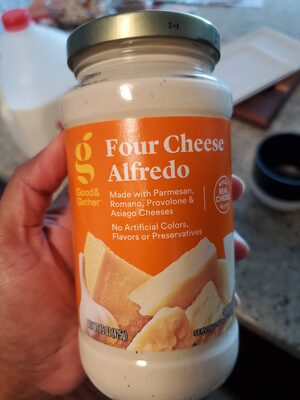

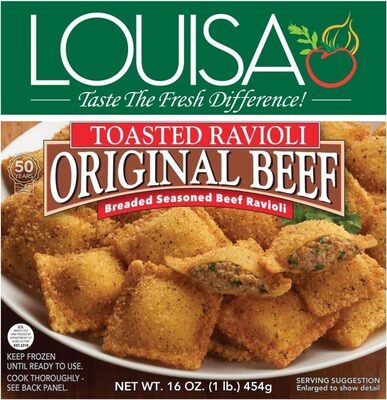
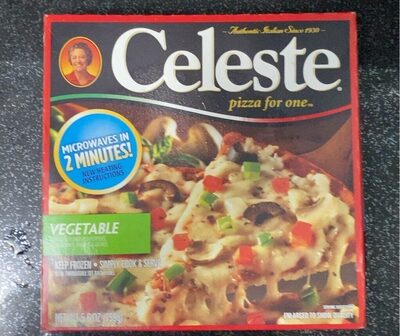
Learn more
Auto-generated content. This description was generated automatically and is pending editorial review. Inaccuracies are possible. Found a mistake? Contact us.