Rutabaga
What is Rutabaga?
The rutabaga is a root vegetable, believed to be a cross between a cabbage and a turnip. It has a large, round, purple-topped root and is typically grown in cooler climates. The vegetable is usually eaten cooked, often roasted, mashed, or added to stews.
Is Rutabaga vegan?
Rutabaga is not animal-derived. Products that contain it can still include other animal-derived ingredients, so check the full ingredient list.
Is Rutabaga gluten-free?
It does not contain gluten.
Is Rutabaga a major allergen?
Rutabaga is not a major allergen and is not derived from any of the nine FDA major allergens.
What is Rutabaga used for?
Rutabaga is used as a vegetable in various dishes, providing a slightly sweet and earthy flavor.
Is Rutabaga safe?
Rutabaga is a nutritious vegetable, a good source of Vitamin C and fiber.
Why it's used
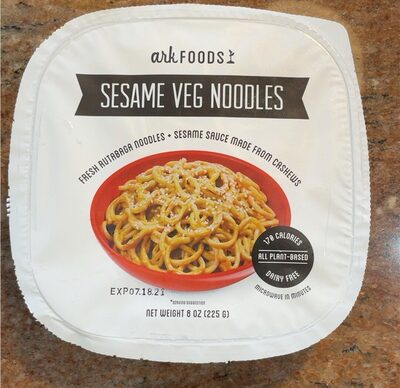
Rutabaga is used as a vegetable in various dishes, providing a slightly sweet and earthy flavor. Manufacturers may include it in packaged vegetable mixes, frozen meals, or as a component in relishes and spreads. It is valued for its nutritional content and texture when cooked.
Health notes
Rutabaga is a nutritious vegetable, a good source of Vitamin C and fiber. It is not an additive requiring FDA approval. International bodies like JECFA have evaluated vegetables and their components, but specific evaluations for rutabaga as an isolated ingredient are not typically highlighted. Consuming rutabaga as part of a balanced diet is generally considered healthy.
Allergen info
Rutabaga is not a major allergen and is not derived from any of the nine FDA major allergens. It does not contain gluten.
Foods that contain Rutabaga
Compare products →


Auto-generated content. This description was generated automatically and is pending editorial review. Inaccuracies are possible. Found a mistake? Contact us.