Salt And Vegetable Oil
Auto-generated content. This description was generated automatically and is pending editorial review. Inaccuracies are possible. Found a mistake? Contact us.
What it is
Salt and vegetable oil refers to the combined use of sodium chloride (salt) and fats extracted from plants. Salt is a mineral obtained from mines or evaporated seawater. Vegetable oils are typically processed from the seeds or fruits of plants like soybeans, corn, sunflowers, or canola.
Why it's used
This combination is frequently used in snack foods, baked goods, and processed meals to enhance flavor, improve texture, and act as a cooking medium. Salt contributes to taste and preservation, while vegetable oils provide richness, moisture, and a desirable mouthfeel.
Health notes
Both salt and vegetable oil are common food ingredients. The FDA recommends a daily sodium intake of no more than 2,300 mg, as excessive sodium consumption is linked to high blood pressure. Vegetable oils are a source of dietary fat and are generally recognized as safe (GRAS) by the FDA. JECFA has evaluated salt and various vegetable oils; JECFA did not set an acceptable daily intake for salt. Partially hydrogenated oils (PHOs), a source of artificial trans fat, are no longer GRAS since 2018.
Allergen info
Salt is not a major allergen. While "vegetable oil" is a broad term, some specific vegetable oils (e.g., soybean oil, peanut oil) are derived from FDA major allergens. However, highly refined oils from these sources may not contain allergenic proteins.
Products containing Salt And Vegetable Oil
Compare products →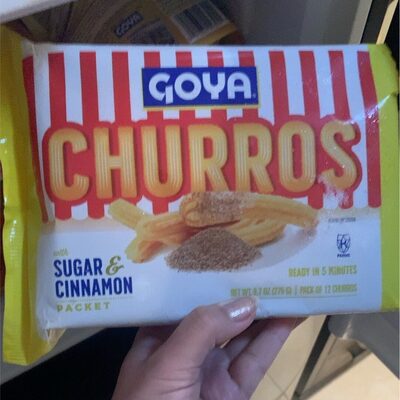 Goya Foods, Inc.
Churros With Sugar & Cinnamon, Sugar & Cinnamon
277kcal
4.3Protein
6.4Fat
46.8Carbs
Goya Foods, Inc.
Churros With Chocolate Packet
280kcal
6Protein
7Fat
48Carbs
Goya Foods, Inc.
Churros With Sugar & Cinnamon, Sugar & Cinnamon
277kcal
4.3Protein
6.4Fat
46.8Carbs
Goya Foods, Inc.
Churros With Chocolate Packet
280kcal
6Protein
7Fat
48Carbs
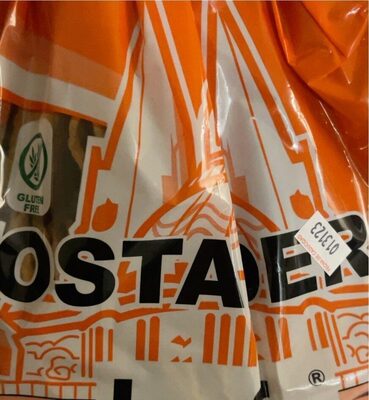 Corn Tostada, Corn
433kcal
6.7Protein
10Fat
76.7Carbs
Corn Tostada, Corn
433kcal
6.7Protein
10Fat
76.7Carbs
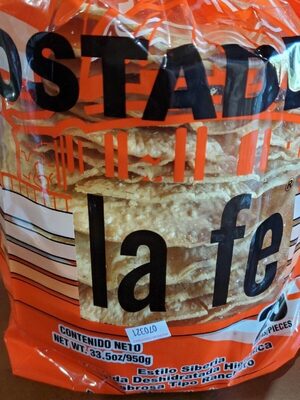 Corn Tostada, Corn
447kcal
7.9Protein
—Fat
76.3Carbs
Corn Tostada, Corn
447kcal
7.9Protein
—Fat
76.3Carbs
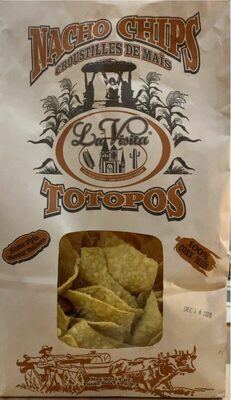 Castillo Brothers Enterprises, Inc.
Nacho Totopos Chips, Nacho
464kcal
7.1Protein
17.9Fat
67.9Carbs
Castillo Brothers Enterprises, Inc.
Nacho Totopos Chips, Nacho
464kcal
7.1Protein
17.9Fat
67.9Carbs
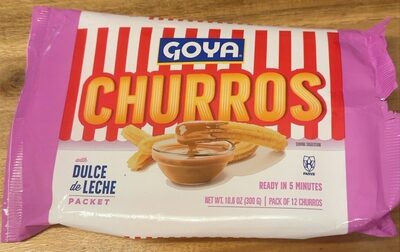 Goya Foods, Inc.
Churros With Dulce De Leche
280kcal
6Protein
7Fat
46Carbs
Goya Foods, Inc.
Churros With Dulce De Leche
280kcal
6Protein
7Fat
46Carbs