Semi-soft Cheese
What is Semi-soft Cheese?
Semi-soft cheese is a type of cheese that has a soft, pliable texture, falling between hard and soft cheeses. It is made from milk, typically cow's milk, through a process of curdling, draining, pressing, and aging for a relatively short period.
Is Semi-soft Cheese vegan?
No. Semi-soft Cheese is animal-derived, so it is not vegan.
Is Semi-soft Cheese a major allergen?
This ingredient is derived from milk, which is one of the nine major food allergens identified by the FDA.
What is Semi-soft Cheese used for?
Manufacturers add semi-soft cheese to foods primarily for its flavor, texture, and melting properties.
Is Semi-soft Cheese safe?
Semi-soft cheese is a food ingredient and is generally recognized as safe (GRAS) when produced under appropriate conditions.
Why it's used
Manufacturers add semi-soft cheese to foods primarily for its flavor, texture, and melting properties. It is often used in dishes where a creamy or gooey texture is desired, such as in frozen appetizers, snacks, and prepared meals.
Health notes
Semi-soft cheese is a food ingredient and is generally recognized as safe (GRAS) when produced under appropriate conditions. It contributes protein, fat, and calcium to the diet, and can also be a source of sodium. JECFA and EFSA primarily evaluate food additives for safety, not whole food ingredients like cheese. There are no specific controversies regarding the safety of semi-soft cheese as a food ingredient.
Allergen info
This ingredient is derived from milk, which is one of the nine major food allergens identified by the FDA.
Foods that contain Semi-soft Cheese
Compare products →
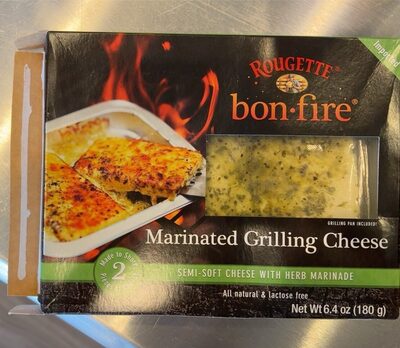
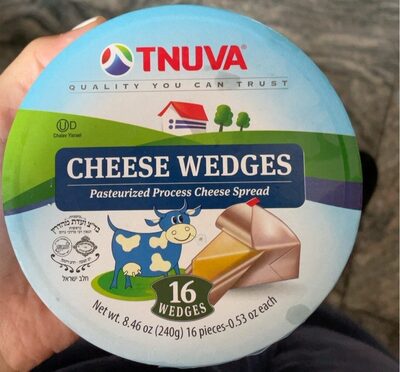
Learn more
Auto-generated content. This description was generated automatically and is pending editorial review. Inaccuracies are possible. Found a mistake? Contact us.