Solids
What is Solids?
Solids, also known as total solids, refers to the dry matter in a food product after all water has been removed. This includes proteins, fats, carbohydrates, minerals, and vitamins. The amount of solids can indicate the concentration or richness of a food.
Is Solids a major allergen?
Solids are not a major allergen.
What is Solids used for?
Manufacturers use the term 'solids' to describe the non-water content of foods, often to indicate richness or concentration.
Is Solids safe?
The FDA considers 'solids' as a general term for the dry components of food and does not regulate it as a specific additive.
Why it's used
Manufacturers use the term 'solids' to describe the non-water content of foods, often to indicate richness or concentration. It is commonly found in products where water content is reduced, such as condensed milk, dried fruits, or processed foods like croutons and stews.
Health notes
The FDA considers 'solids' as a general term for the dry components of food and does not regulate it as a specific additive. The health implications depend entirely on the specific components that make up the solids, such as sugars, fats, or proteins. International bodies like JECFA have evaluated many individual food components, but 'solids' itself is not a single evaluated substance.
Allergen info
Solids are not a major allergen. However, the specific components within the solids may be derived from major allergens like milk, wheat, or soy.
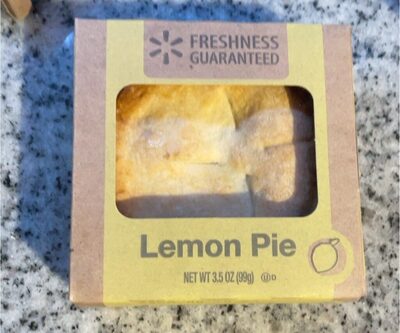
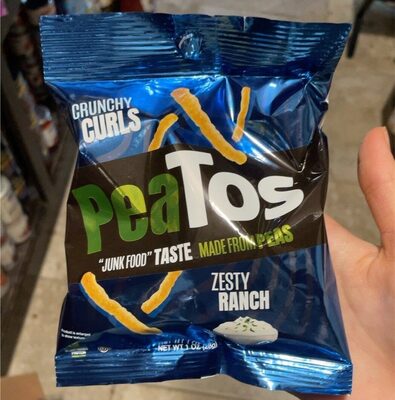
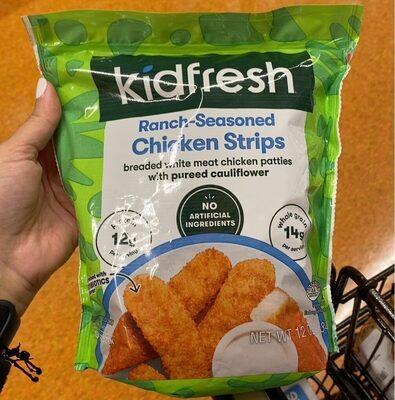
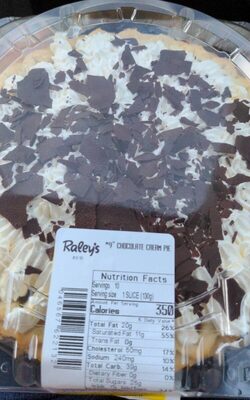
Foods that contain Solids
Compare products →





Auto-generated content. This description was generated automatically and is pending editorial review. Inaccuracies are possible. Found a mistake? Contact us.