Soybean Oil To Reduce Dusting
What is Soybean Oil To Reduce Dusting?
Soybean oil is a vegetable oil extracted from the seeds of soybeans. It is one of the most widely used cooking oils globally.
Is Soybean Oil To Reduce Dusting vegan?
Soybean Oil To Reduce Dusting is not animal-derived. Products that contain it can still include other animal-derived ingredients, so check the full ingredient list.
Is Soybean Oil To Reduce Dusting a major allergen?
Soybean oil is derived from soybeans, which are a major FDA allergen.
What is Soybean Oil To Reduce Dusting used for?
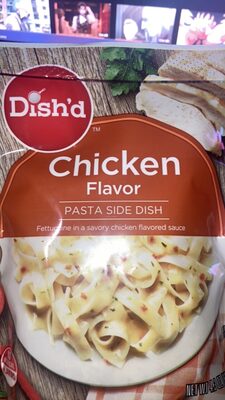
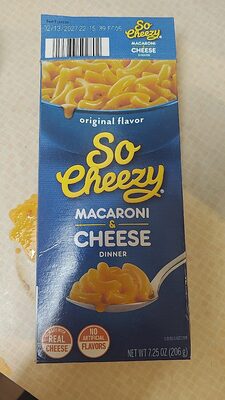
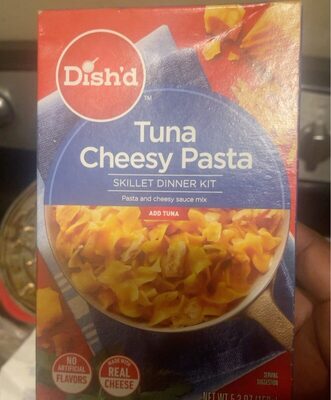
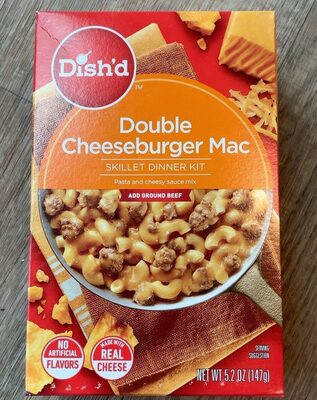
In packaged foods, soybean oil is sometimes used in small amounts to reduce dusting, especially in powdered or granular products like seasoning mixes, salts, or dry pasta dishes.
Is Soybean Oil To Reduce Dusting safe?
Soybean oil is generally recognized as safe (GRAS) by the U.S. Food and Drug Administration (FDA) for its intended uses.
Why it's used
In packaged foods, soybean oil is sometimes used in small amounts to reduce dusting, especially in powdered or granular products like seasoning mixes, salts, or dry pasta dishes. This helps prevent fine particles from becoming airborne during processing and use.
Health notes
Soybean oil is generally recognized as safe (GRAS) by the U.S. Food and Drug Administration (FDA) for its intended uses. It is a common dietary fat. No specific health concerns are associated with its use as an anti-dusting agent at typical intake levels.
Allergen info
Soybean oil is derived from soybeans, which are a major FDA allergen. However, highly refined soybean oil is generally exempt from allergen labeling requirements because the allergenic proteins are removed during processing.
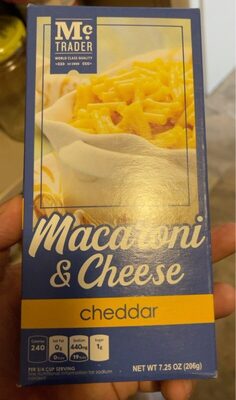
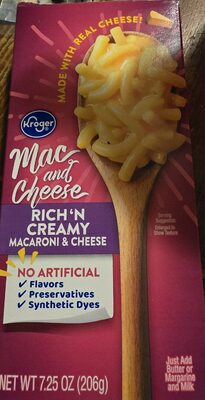
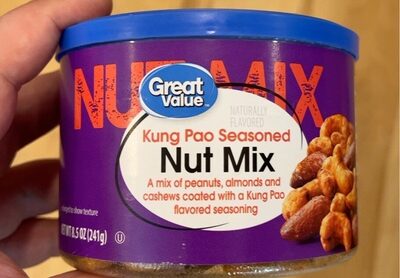
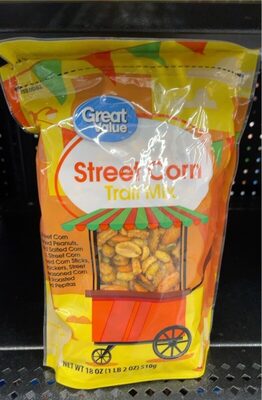
Foods that contain Soybean Oil To Reduce Dusting
Compare products →
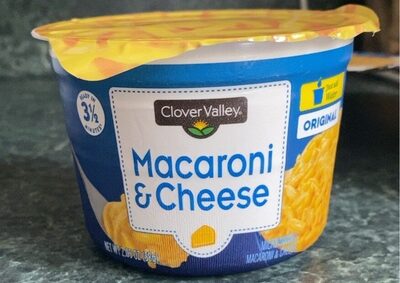
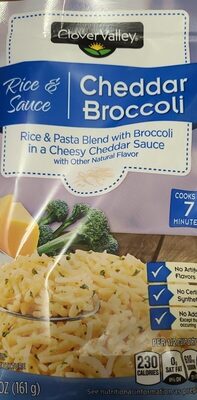


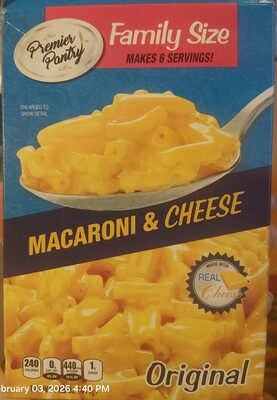
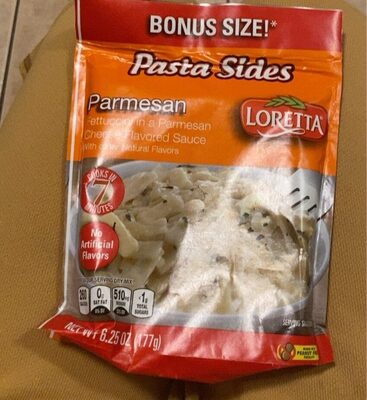
Learn more
Auto-generated content. This description was generated automatically and is pending editorial review. Inaccuracies are possible. Found a mistake? Contact us.