Sprouted Barley
What is Sprouted Barley?
Sprouted barley is whole barley grain that has begun to germinate from a seed. This process is typically done by soaking the barley in water until it sprouts, then drying it. Sprouting can change the nutritional profile and flavor of the grain.
Is Sprouted Barley vegan?
Sprouted Barley is not animal-derived. Products that contain it can still include other animal-derived ingredients, so check the full ingredient list.
Is Sprouted Barley gluten-free?
Barley is a grain and contains gluten.
What is Sprouted Barley used for?
Sprouted barley is used in baking, especially in breads and snack bars, to add a slightly sweet, nutty flavor and a chewier texture.
Is Sprouted Barley safe?
Sprouted barley is generally recognized as safe (GRAS) by the FDA for use in food.
Why it's used
Sprouted barley is used in baking, especially in breads and snack bars, to add a slightly sweet, nutty flavor and a chewier texture. It is also sometimes used as a source of dietary fiber and other nutrients.
Health notes
Sprouted barley is generally recognized as safe (GRAS) by the FDA for use in food. It is a source of fiber, vitamins, and minerals. International bodies like JECFA have evaluated barley and its components, but no specific evaluations for 'sprouted barley' as a distinct ingredient are widely published. Typical consumption as part of a balanced diet is not associated with adverse health effects.
Allergen info
Barley is a grain and contains gluten. Therefore, it is not a major allergen but is unsuitable for individuals with celiac disease or gluten sensitivity.
Foods that contain Sprouted Barley
Compare products →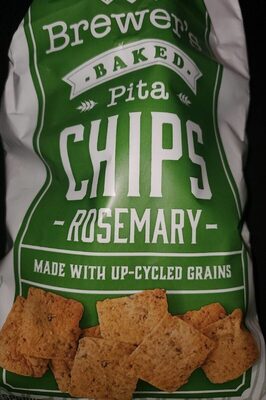
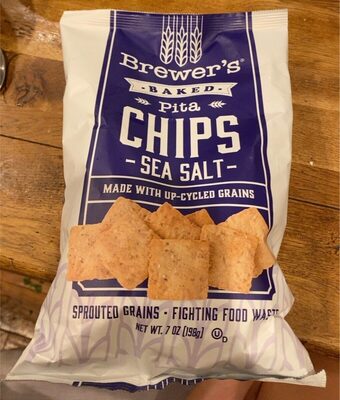

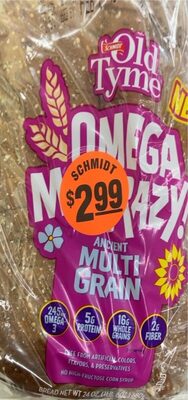
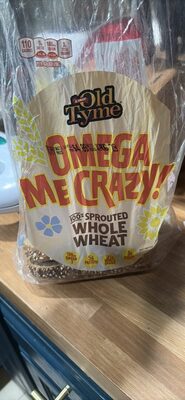
Learn more
Auto-generated content. This description was generated automatically and is pending editorial review. Inaccuracies are possible. Found a mistake? Contact us.