Topped With Sesame Seeds
What is Topped With Sesame Seeds?
Sesame seeds are small, oil-rich seeds from the Sesamum indicum plant. They are harvested from seed pods and can be used whole or hulled. The seeds have a nutty flavor and a crunchy texture.
Is Topped With Sesame Seeds vegan?
Topped With Sesame Seeds is not animal-derived. Products that contain it can still include other animal-derived ingredients, so check the full ingredient list.
Is Topped With Sesame Seeds gluten-free?
It is not related to gluten.
Is Topped With Sesame Seeds a major allergen?
Sesame is one of the 9 FDA major allergens.
What is Topped With Sesame Seeds used for?
Sesame seeds are often used as a topping for breads, buns, and pastries to add flavor and texture.
Is Topped With Sesame Seeds safe?
Sesame seeds are generally recognized as safe (GRAS) by the FDA for use in food.
Why it's used
Sesame seeds are often used as a topping for breads, buns, and pastries to add flavor and texture. They are also a key ingredient in many Asian cuisines, used in dishes like stir-fries, noodles, and salads. Sesame seeds are also pressed to make sesame oil.
Health notes
Sesame seeds are generally recognized as safe (GRAS) by the FDA for use in food. They are a source of healthy fats, protein, fiber, and minerals. The WHO and EFSA have not specifically evaluated sesame seeds as a food additive, but they are recognized as a nutritious food. Evidence suggests that consuming sesame seeds as part of a balanced diet may contribute to overall health.
Allergen info
Sesame is one of the 9 FDA major allergens. It is not related to gluten.
Foods that contain Topped With Sesame Seeds
Compare products →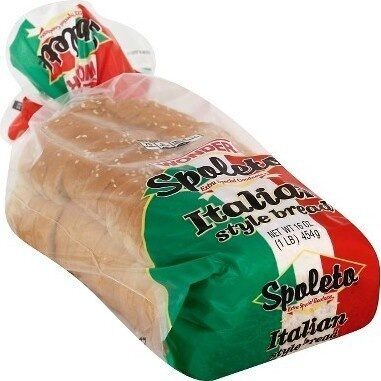 Flowers Foods, Inc.
Cobblestone Mill, Spaleta, Italian Style Bread
280kcal
8Protein
6Fat
52Carbs
Flowers Foods, Inc.
Cobblestone Mill, Spaleta, Italian Style Bread
280kcal
8Protein
6Fat
52Carbs
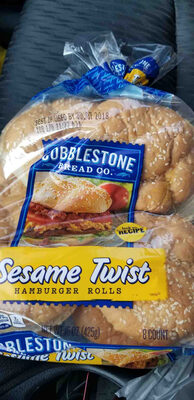 Flowers Foods, Inc.
Sesame Twist Rolls, Sesame Twist
283kcal
9.4Protein
4.7Fat
50.9Carbs
Flowers Foods, Inc.
Sesame Twist Rolls, Sesame Twist
283kcal
9.4Protein
4.7Fat
50.9Carbs
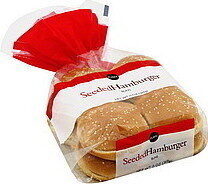 Publix Super Markets, Inc.
Seeded Hamburger Buns, Seeded
261kcal
8.7Protein
2.2Fat
54.4Carbs
Publix Super Markets, Inc.
Seeded Hamburger Buns, Seeded
261kcal
8.7Protein
2.2Fat
54.4Carbs
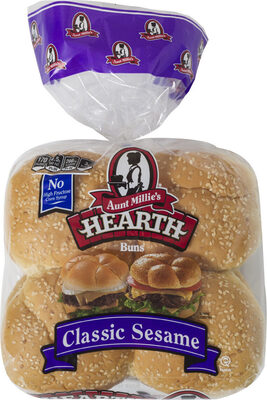 Perfection Bakeries, Inc.
Classic Sesame Hamburger Buns, Classic Sesame
283kcal
8.3Protein
5Fat
50Carbs
Perfection Bakeries, Inc.
Classic Sesame Hamburger Buns, Classic Sesame
283kcal
8.3Protein
5Fat
50Carbs
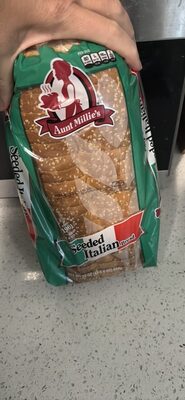 Perfection Bakeries, Inc.
Seeded Italian Bread, Seeded Italian
273kcal
9.1Protein
3.0Fat
51.5Carbs
Perfection Bakeries, Inc.
Seeded Italian Bread, Seeded Italian
273kcal
9.1Protein
3.0Fat
51.5Carbs
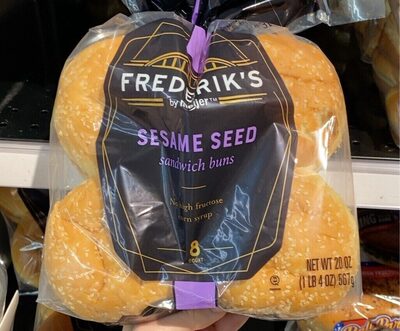 Meijer, Inc.
Sesame Seed Sandwich Buns, Sesame Seed
268kcal
7.0Protein
4.9Fat
49.3Carbs
Meijer, Inc.
Sesame Seed Sandwich Buns, Sesame Seed
268kcal
7.0Protein
4.9Fat
49.3Carbs
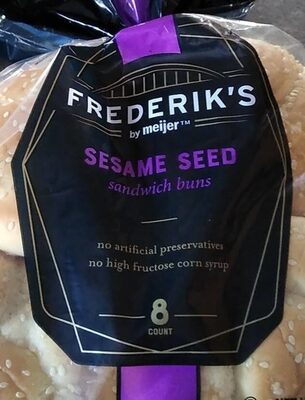 Meijer, Inc.
Sesame Seed Sandwich Buns, Sesame Seed
282kcal
8.4Protein
4.9Fat
50.7Carbs
Meijer, Inc.
Sesame Seed Sandwich Buns, Sesame Seed
282kcal
8.4Protein
4.9Fat
50.7Carbs
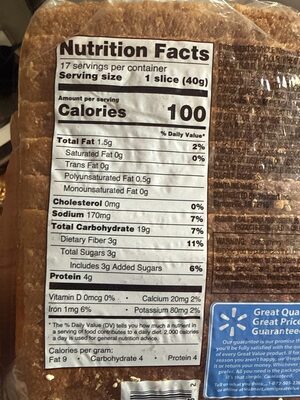 Wal-Mart Stores, Inc.
Multi Grain Bread, Multi Grain
267kcal
11.1Protein
4.4Fat
51.1Carbs
Flowers Foods, Inc.
Hamburger Rolls, Sesame Twist
High in sodium — 20% DV per serving
318kcal
11.8Protein
5.9Fat
52.9Carbs
Flowers Foods, Inc.
Cobblestone Bread Co, Whole Grains And Seeds Bread
239kcal
10.9Protein
4.3Fat
41.3Carbs
Flowers Foods, Inc.
Cobblestone Bread Co, Whole Grain Bread, Honey, Honey
245kcal
10.2Protein
4.1Fat
42.9Carbs
Flowers Foods, Inc.
Italian Bread
280kcal
8Protein
6Fat
52Carbs
Wal-Mart Stores, Inc.
Multi Grain Bread, Multi Grain
267kcal
11.1Protein
4.4Fat
51.1Carbs
Flowers Foods, Inc.
Hamburger Rolls, Sesame Twist
High in sodium — 20% DV per serving
318kcal
11.8Protein
5.9Fat
52.9Carbs
Flowers Foods, Inc.
Cobblestone Bread Co, Whole Grains And Seeds Bread
239kcal
10.9Protein
4.3Fat
41.3Carbs
Flowers Foods, Inc.
Cobblestone Bread Co, Whole Grain Bread, Honey, Honey
245kcal
10.2Protein
4.1Fat
42.9Carbs
Flowers Foods, Inc.
Italian Bread
280kcal
8Protein
6Fat
52Carbs
Learn more
Auto-generated content. This description was generated automatically and is pending editorial review. Inaccuracies are possible. Found a mistake? Contact us.