Triacetin
What is Triacetin?
Triacetin is a chemical compound made from glycerol and acetic acid. It is a colorless, odorless, oily liquid. It is produced industrially through the esterification of glycerol with acetic acid or acetic anhydride.
Is Triacetin vegan?
Triacetin is not animal-derived. Products that contain it can still include other animal-derived ingredients, so check the full ingredient list.
Is Triacetin gluten-free?
It does not contain gluten.
Is Triacetin a major allergen?
Triacetin is not derived from any of the nine FDA major allergens.
What is Triacetin used for?
Triacetin is used as a food additive, primarily as a humectant, solvent, and plasticizer.
Is Triacetin safe?
In the United States, triacetin is generally recognized as safe (GRAS) by the FDA for use as a food additive.
Why it's used
Triacetin is used as a food additive, primarily as a humectant, solvent, and plasticizer. It helps to retain moisture in foods and can improve the texture of baked goods like cakes and cookies. It is also found in some confectionery and snack products.
Health notes
In the United States, triacetin is generally recognized as safe (GRAS) by the FDA for use as a food additive. Regulatory bodies like the Joint FAO/WHO Expert Committee on Food Additives (JECFA) and the European Food Safety Authority (EFSA) have evaluated triacetin. Studies on triacetin have not indicated significant health concerns at typical dietary intake levels. Some research has explored its potential uses in pharmaceuticals and as a biofuel component.
Allergen info
Triacetin is not derived from any of the nine FDA major allergens. It does not contain gluten.
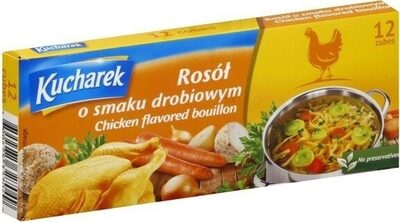
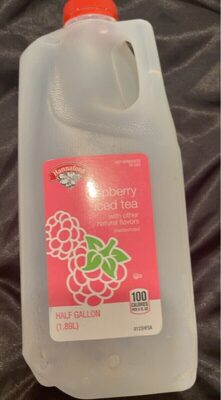
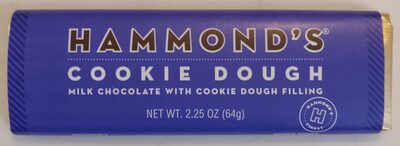
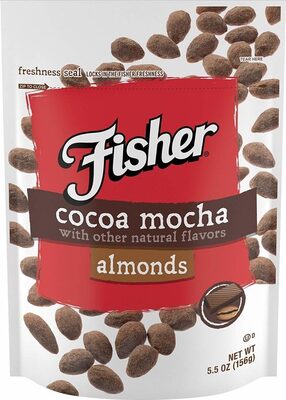
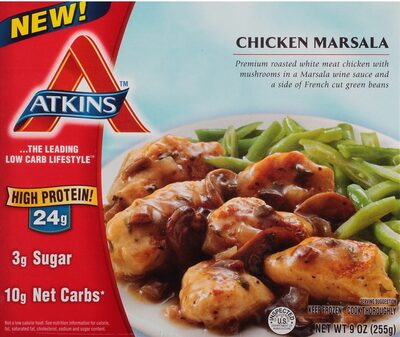
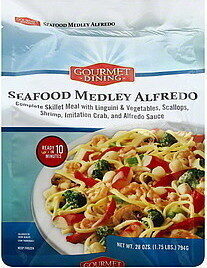
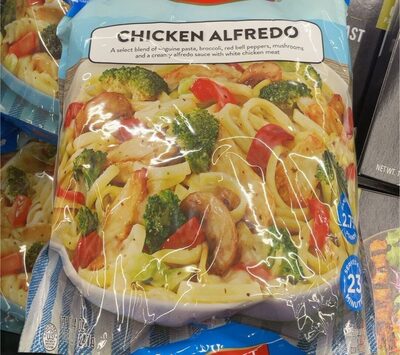
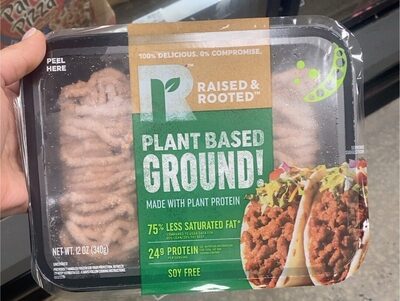
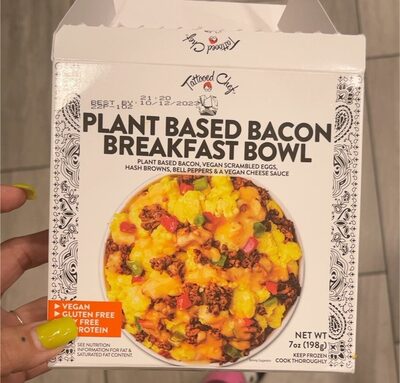
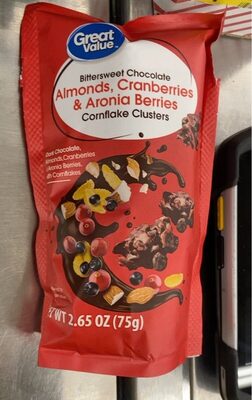
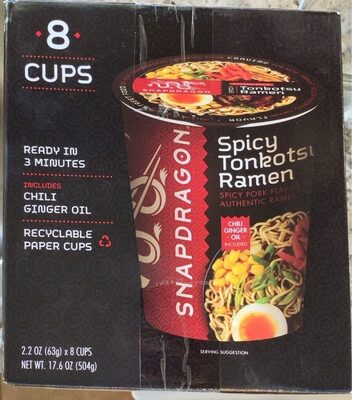
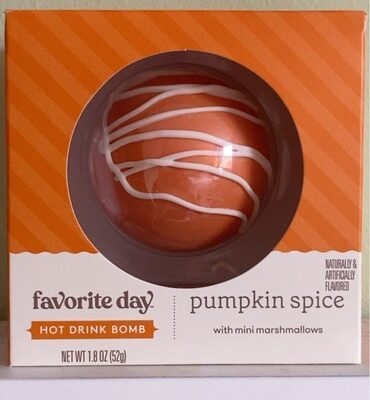
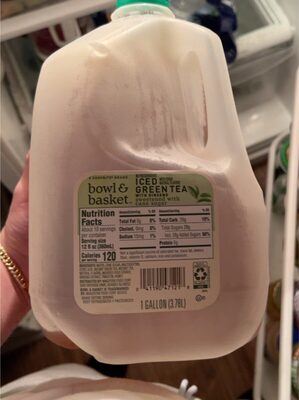
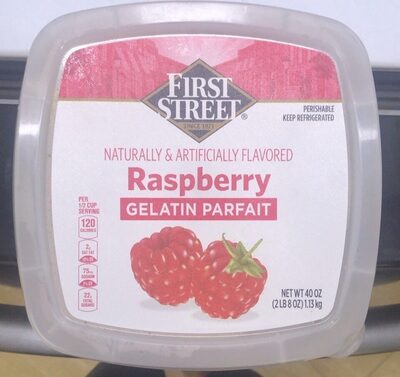
Foods that contain Triacetin
Compare products →




Auto-generated content. This description was generated automatically and is pending editorial review. Inaccuracies are possible. Found a mistake? Contact us.