Unbromated Unbleached Enriched Wheat Flour
Auto-generated content. This description was generated automatically and is pending editorial review. Inaccuracies are possible. Found a mistake? Contact us.
What it is
Unbromated unbleached enriched wheat flour is a common ingredient made from milled wheat grains. 'Unbleached' means the flour has not been treated with chemical agents to whiten it, allowing it to naturally whiten over time. 'Enriched' means that certain nutrients, such as iron and B vitamins (folic acid, riboflavin, niacin, thiamine), that were lost during processing have been added back.
Why it's used
This type of flour is a staple in baking and cooking, providing structure and bulk to a wide variety of foods. It is used to make breads, cakes, pastries, pasta, and as a thickener in sauces and gravies. Manufacturers use it for its functional properties in baked goods, contributing to texture and volume.
Health notes
Wheat flour is a primary food ingredient and not an additive with a specific FDA regulatory status like GRAS or approved additive. The 'unbromated' designation indicates the absence of potassium bromate, an additive that can strengthen dough and improve rise. Potassium bromate is currently permitted by the FDA for use in flour, though California will ban its use in food products starting in 2027. JECFA has evaluated potassium bromate and concluded it is not appropriate for use as a flour treatment agent, thus not setting an acceptable daily intake. Enriched flour helps address nutrient deficiencies by restoring essential vitamins and minerals.
Allergen info
Wheat is one of the nine major allergens identified by the FDA. This ingredient also contains gluten, a protein found in wheat.
Products containing Unbromated Unbleached Enriched Wheat Flour
Compare products →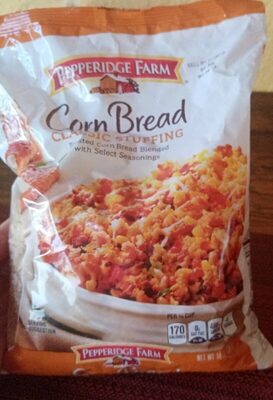 PEPPERIDGE FARM
Pepperidge Farm Stuffing
High in sodium — 21% DV per serving
395kcal
9.3Protein
4.7Fat
76.7Carbs
Beaver Street Fisheries Inc.
Stuffed Clams -2
High in sodium — 25% DV per serving
High in saturated fat — 22% DV per serving
301kcal
11.3Protein
19.9Fat
18.4Carbs
Dextro Corporation
Roasted Vegan Pizza, Roasted Vegan
154kcal
4.5Protein
3.9Fat
25.6Carbs
Ahold USA, Inc.
Bagels, Maple
263kcal
9.5Protein
1.6Fat
52.6Carbs
Zeppy's Bakery Inc
Zeppy's, 6 Bagels, French Roast, French Roast
284kcal
9.5Protein
1.6Fat
57.9Carbs
Zeppy's Bakery Inc
Feppy's, Bagel, Cinnamon Raisin, Cinnamon Raisin
274kcal
8.8Protein
1.3Fat
55.8Carbs
Zeppy's Bakery Inc
Zeppy's, 6 Bagels, Cranberry Ginger, Cranberry Ginger
271kcal
9.4Protein
1.2Fat
55.3Carbs
Supervalu, Inc.
Star Market, Bagels, Plain, Plain
260kcal
9.6Protein
1.0Fat
52.9Carbs
Ahold USA, Inc.
Bagels, Cranberry Ginger
271kcal
9.4Protein
1.2Fat
55.3Carbs
Ahold USA, Inc.
Pretzel Bagels
High in sodium — 22% DV per serving
253kcal
9.5Protein
1.1Fat
52.6Carbs
PEPPERIDGE FARM
Pepperidge Farm Stuffing
High in sodium — 21% DV per serving
395kcal
9.3Protein
4.7Fat
76.7Carbs
Beaver Street Fisheries Inc.
Stuffed Clams -2
High in sodium — 25% DV per serving
High in saturated fat — 22% DV per serving
301kcal
11.3Protein
19.9Fat
18.4Carbs
Dextro Corporation
Roasted Vegan Pizza, Roasted Vegan
154kcal
4.5Protein
3.9Fat
25.6Carbs
Ahold USA, Inc.
Bagels, Maple
263kcal
9.5Protein
1.6Fat
52.6Carbs
Zeppy's Bakery Inc
Zeppy's, 6 Bagels, French Roast, French Roast
284kcal
9.5Protein
1.6Fat
57.9Carbs
Zeppy's Bakery Inc
Feppy's, Bagel, Cinnamon Raisin, Cinnamon Raisin
274kcal
8.8Protein
1.3Fat
55.8Carbs
Zeppy's Bakery Inc
Zeppy's, 6 Bagels, Cranberry Ginger, Cranberry Ginger
271kcal
9.4Protein
1.2Fat
55.3Carbs
Supervalu, Inc.
Star Market, Bagels, Plain, Plain
260kcal
9.6Protein
1.0Fat
52.9Carbs
Ahold USA, Inc.
Bagels, Cranberry Ginger
271kcal
9.4Protein
1.2Fat
55.3Carbs
Ahold USA, Inc.
Pretzel Bagels
High in sodium — 22% DV per serving
253kcal
9.5Protein
1.1Fat
52.6Carbs