Vitamin A And D3
What is Vitamin A And D3?
Vitamin A is a fat-soluble vitamin essential for vision, immune function, and cell growth. Vitamin D3 (cholecalciferol) is also fat-soluble and helps the body absorb calcium. Both can be naturally found in foods like fish oils and dairy, or they can be synthesized.
Is Vitamin A And D3 gluten-free?
They do not contain gluten.
Is Vitamin A And D3 a major allergen?
Vitamin A and D3 are not major allergens.
What is Vitamin A And D3 used for?
Manufacturers add Vitamin A and D3 to fortify foods, helping consumers meet their daily requirements.
Is Vitamin A And D3 safe?
The U.S. Food and Drug Administration (FDA) considers Vitamin A and D3 to be safe and effective when used as nutrients in food.
Why it's used
Manufacturers add Vitamin A and D3 to fortify foods, helping consumers meet their daily requirements. They are commonly added to milk, cereals, margarine, and some juices. These vitamins are crucial for bone health and overall well-being.
Health notes
The U.S. Food and Drug Administration (FDA) considers Vitamin A and D3 to be safe and effective when used as nutrients in food. The National Academies of Sciences, Engineering, and Medicine have established Tolerable Upper Intake Levels (ULs) for these vitamins. JECFA and EFSA have also evaluated these vitamins. Excessive intake of Vitamin A can lead to toxicity, while sufficient Vitamin D is important for calcium absorption and bone health.
Allergen info
Vitamin A and D3 are not major allergens. They do not contain gluten.
Foods that contain Vitamin A And D3
Compare products →
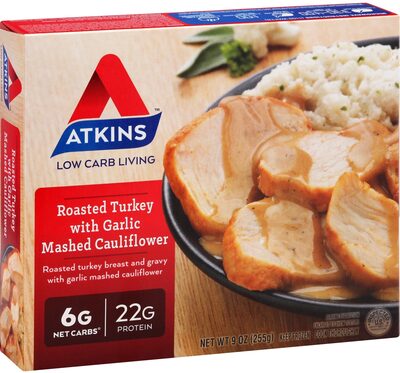


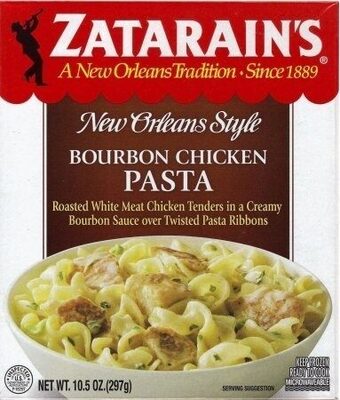
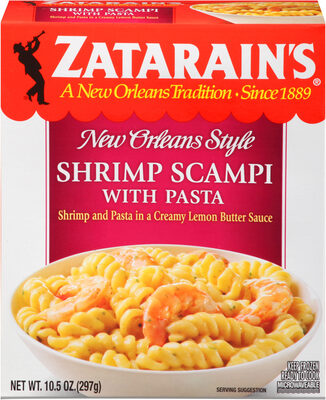
Learn more
Auto-generated content. This description was generated automatically and is pending editorial review. Inaccuracies are possible. Found a mistake? Contact us.