Vitamin E To Maintain Freshness
What is Vitamin E To Maintain Freshness?
Vitamin E is a group of fat-soluble compounds that occur naturally in foods. The most active form, alpha-tocopherol, is often synthesized for use as a food additive. It is produced industrially from petrochemical sources.
Is Vitamin E To Maintain Freshness vegan?
Vitamin E To Maintain Freshness is not animal-derived. Products that contain it can still include other animal-derived ingredients, so check the full ingredient list.
Is Vitamin E To Maintain Freshness a major allergen?
Vitamin E itself is not a major allergen.
What is Vitamin E To Maintain Freshness used for?
Vitamin E is added to foods as an antioxidant to prevent fats and oils from becoming rancid, thus maintaining freshness.
Is Vitamin E To Maintain Freshness safe?
In the US, alpha-tocopherol is generally recognized as safe (GRAS) by the FDA when used as a nutrient or antioxidant.
Why it's used
Vitamin E is added to foods as an antioxidant to prevent fats and oils from becoming rancid, thus maintaining freshness. It is commonly found in cereals, baked goods, and processed snacks where fats are present.
Health notes
In the US, alpha-tocopherol is generally recognized as safe (GRAS) by the FDA when used as a nutrient or antioxidant. It is an essential nutrient for humans, playing a role in immune function and cell protection. International bodies like JECFA have evaluated vitamin E and established acceptable daily intakes. Evidence does not suggest adverse effects from typical dietary intake.
Allergen info
Vitamin E itself is not a major allergen. However, some forms may be derived from soy or wheat, which are major allergens. Check product labels for specific sourcing.
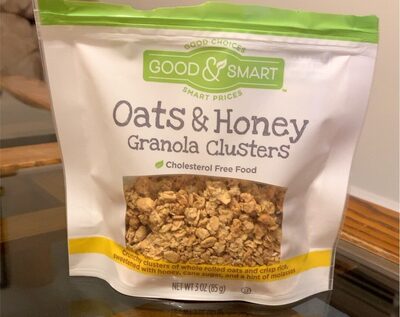
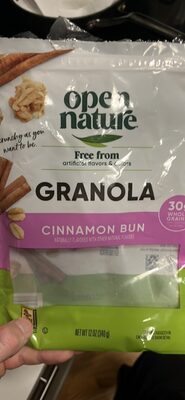
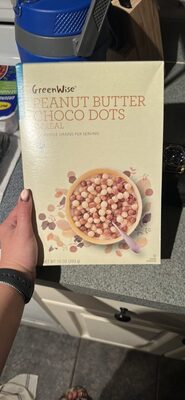
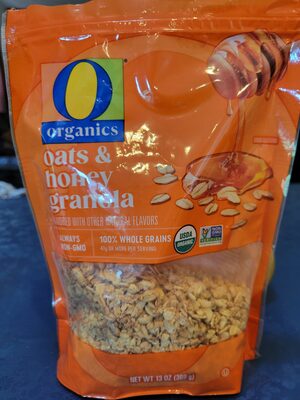
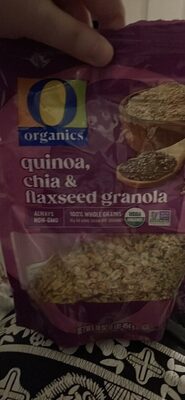
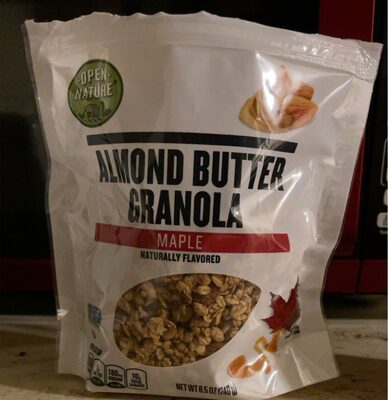
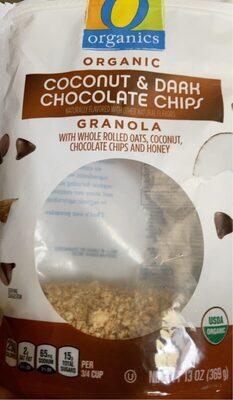
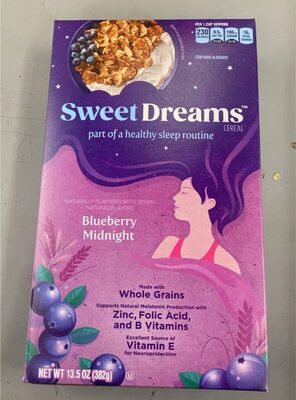
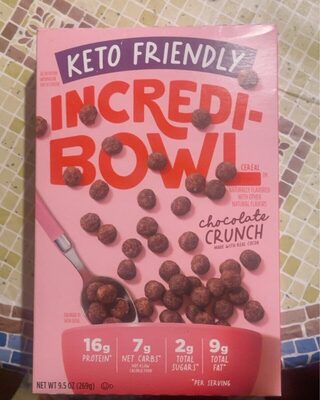
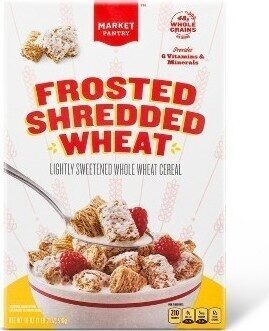
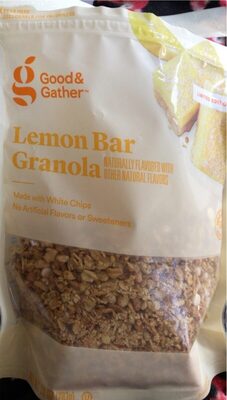
Foods that contain Vitamin E To Maintain Freshness
Compare products →
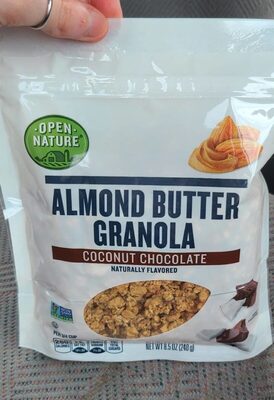
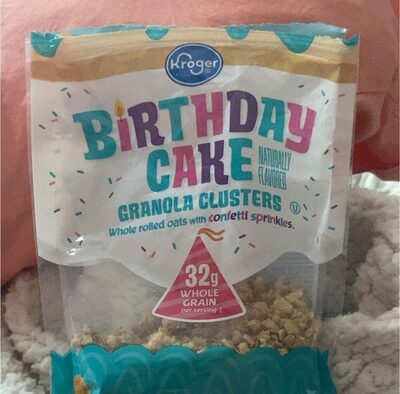
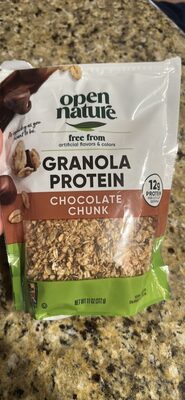
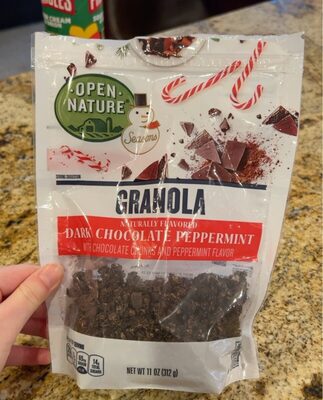
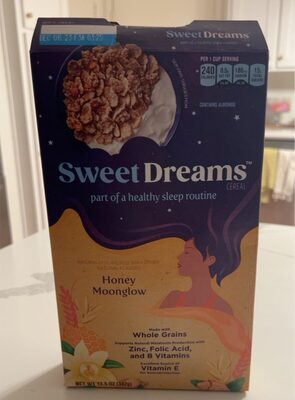
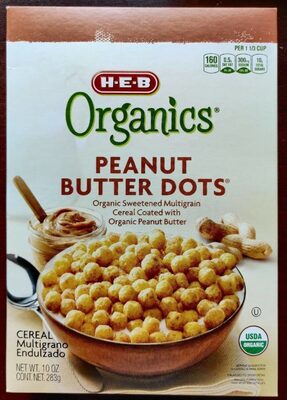
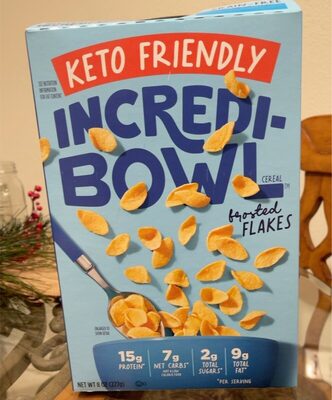
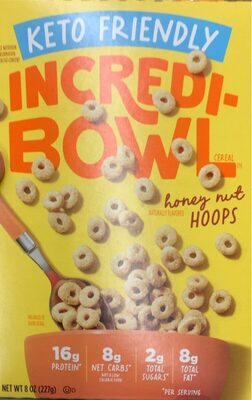
Learn more
Auto-generated content. This description was generated automatically and is pending editorial review. Inaccuracies are possible. Found a mistake? Contact us.