Walnut
What is Walnut?
Walnuts are the edible seeds of trees from the genus *Juglans*. They are native to North America and Eurasia. Walnuts are typically harvested from the tree, shelled, and then sold whole or chopped.
Is Walnut vegan?
Walnut is not animal-derived. Products that contain it can still include other animal-derived ingredients, so check the full ingredient list.
Is Walnut a major allergen?
Walnuts are classified as a tree nut, which is one of the 9 major food allergens recognized by the FDA.
What is Walnut used for?
Walnuts are often added to foods for their distinct flavor and texture.
Is Walnut safe?
Walnuts are a nutrient-dense food, providing healthy fats, protein, fiber, vitamins, and minerals.
Why it's used
Walnuts are often added to foods for their distinct flavor and texture. They are commonly found in baked goods like cookies and cakes, as well as in snack mixes, salads, and savory dishes. Their rich, slightly bitter taste complements both sweet and savory flavors.
Health notes
Walnuts are a nutrient-dense food, providing healthy fats, protein, fiber, vitamins, and minerals. Studies suggest that regular consumption of walnuts may be associated with improved heart health and reduced inflammation, though more research is needed. The FDA recognizes walnuts as a whole food with potential health benefits. International bodies like EFSA have also reviewed the nutritional profile of nuts, including walnuts.
Allergen info
Walnuts are classified as a tree nut, which is one of the 9 major food allergens recognized by the FDA. Individuals with tree nut allergies should avoid walnuts.
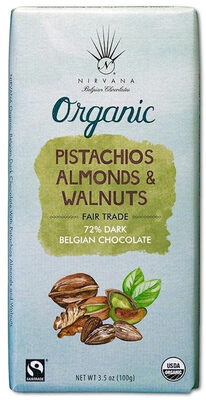
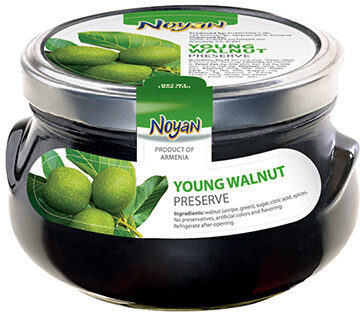
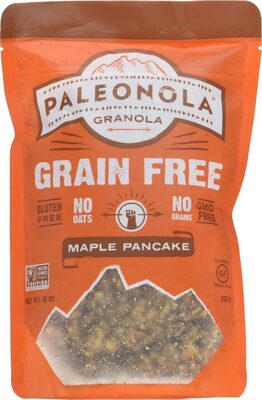
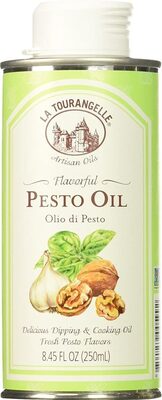
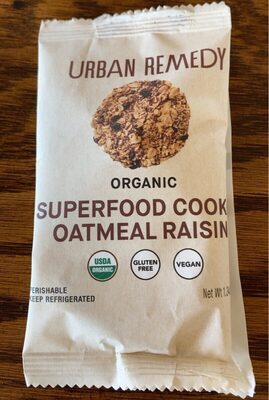
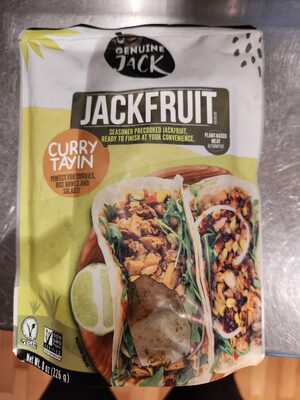
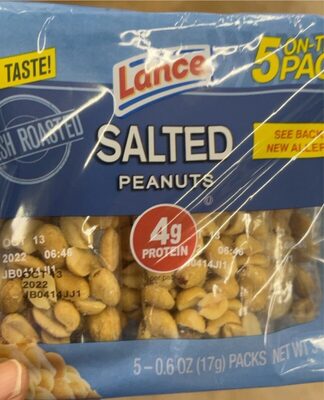
Foods that contain Walnut
Compare products →











Auto-generated content. This description was generated automatically and is pending editorial review. Inaccuracies are possible. Found a mistake? Contact us.