Wheat Germ
Auto-generated content. This description was generated automatically and is pending editorial review. Inaccuracies are possible. Found a mistake? Contact us.
What it is
Wheat germ is the nutrient-rich embryo of the wheat kernel, separated from the bran and endosperm during milling. It's a concentrated source of vitamins, minerals, and healthy fats. It has a nutty flavor and can be used raw or toasted.
Why it's used
Manufacturers add wheat germ for its nutritional value and nutty flavor. It's often used in baked goods like breads, muffins, and cookies, as well as in cereals and snack bars. It can also be sprinkled on yogurt or salads.
Health notes
Wheat germ is generally recognized as safe (GRAS) by the FDA when used as a food ingredient. It is a good source of fiber, protein, and several B vitamins. The WHO/IARC has not classified wheat germ regarding carcinogenicity. Evidence does not suggest adverse health effects from typical dietary intake.
Allergen info
Wheat germ is derived from wheat, which is one of the 9 FDA major allergens. It contains gluten.
Products containing Wheat Germ
Compare products →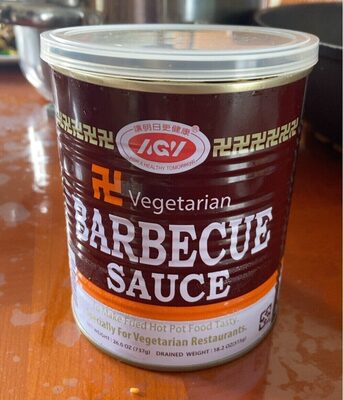 AGV
Agv, Vegetarian Barbecue Sauce
High in sodium — 30% DV per serving
637kcal
6.7Protein
63.3Fat
10Carbs
AGV
Agv, Vegetarian Barbecue Sauce
High in sodium — 30% DV per serving
637kcal
6.7Protein
63.3Fat
10Carbs
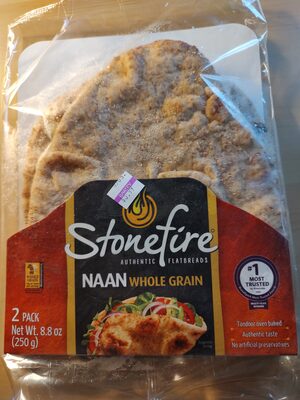 STONEFIRE
Naan Whole Grain Authentic Flatbreads
302kcal
7.9Protein
7.9Fat
46.0Carbs
DARE
Crackers
500kcal
14.3Protein
21.4Fat
64.3Carbs
SAMI'S BAKERY
Low Carb 7 Grain Fiber
314kcal
10.7Protein
14.3Fat
35.7Carbs
Yoplait S'mores Mix-Ins
—kcal
4.7Protein
3Fat
19.3Carbs
STONEFIRE
Naan Whole Grain Authentic Flatbreads
302kcal
7.9Protein
7.9Fat
46.0Carbs
DARE
Crackers
500kcal
14.3Protein
21.4Fat
64.3Carbs
SAMI'S BAKERY
Low Carb 7 Grain Fiber
314kcal
10.7Protein
14.3Fat
35.7Carbs
Yoplait S'mores Mix-Ins
—kcal
4.7Protein
3Fat
19.3Carbs