White Sesame Seeds
What is White Sesame Seeds?
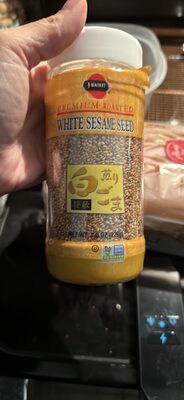
White sesame seeds are the small, oval seeds of the sesame plant, native to Africa. They are harvested, cleaned, and sometimes hulled before use. The seeds have a mild, nutty flavor that becomes more pronounced when toasted.
Is White Sesame Seeds vegan?
White Sesame Seeds is not animal-derived. Products that contain it can still include other animal-derived ingredients, so check the full ingredient list.
Is White Sesame Seeds gluten-free?
Sesame is not a source of gluten.
Is White Sesame Seeds a major allergen?
Sesame is one of the 9 FDA major food allergens.
What is White Sesame Seeds used for?
White sesame seeds are used as a garnish and ingredient in a wide variety of foods.
Is White Sesame Seeds safe?
White sesame seeds are generally recognized as safe (GRAS) by the FDA for use in food.
Why it's used
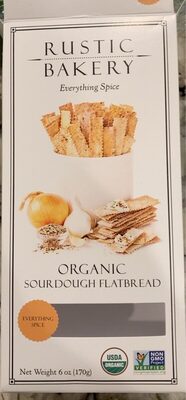
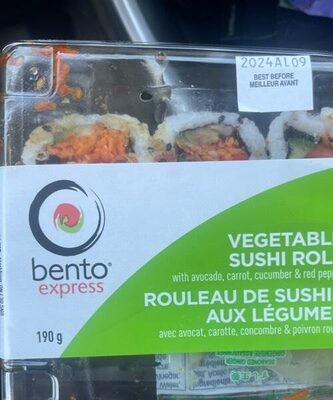
White sesame seeds are used as a garnish and ingredient in a wide variety of foods. They add texture and a nutty flavor to breads, buns, crackers, and other baked goods. They are also commonly found in Asian cuisine, sprinkled on stir-fries, sushi, and salads, and used in tahini (sesame paste).
Health notes
White sesame seeds are generally recognized as safe (GRAS) by the FDA for use in food. They are a source of healthy fats, protein, fiber, and minerals like calcium and magnesium. International bodies like JECFA have evaluated sesame and its components. While generally considered healthy, some individuals may have allergies to sesame.
Allergen info
Sesame is one of the 9 FDA major food allergens. Individuals with a sesame allergy should avoid products containing sesame seeds. Sesame is not a source of gluten.
Foods that contain White Sesame Seeds
Compare products →













Learn more
Auto-generated content. This description was generated automatically and is pending editorial review. Inaccuracies are possible. Found a mistake? Contact us.