Whole Caraway Seeds
What is Whole Caraway Seeds?
Caraway seeds are the dried fruit of the caraway plant (Carum carvi), a member of the parsley family. Native to Europe and Western Asia, the plant is now cultivated worldwide. The seeds have a distinctive curved shape and a strong, slightly bitter, anise-like flavor.
Is Whole Caraway Seeds vegan?
Whole Caraway Seeds is not animal-derived. Products that contain it can still include other animal-derived ingredients, so check the full ingredient list.
Is Whole Caraway Seeds gluten-free?
They do not contain gluten.
Is Whole Caraway Seeds a major allergen?
Caraway seeds are not one of the nine major allergens recognized by the FDA.
What is Whole Caraway Seeds used for?
Caraway seeds are primarily used as a spice to add a unique flavor to foods.
Is Whole Caraway Seeds safe?
Caraway seeds are generally recognized as safe (GRAS) by the FDA for use as a food ingredient.
Why it's used
Caraway seeds are primarily used as a spice to add a unique flavor to foods. They are common in rye breads, sausages, sauerkraut, and some cheeses. Manufacturers also use them in spice blends and to enhance the taste of various savory dishes.
Health notes
Caraway seeds are generally recognized as safe (GRAS) by the FDA for use as a food ingredient. They are a source of dietary fiber and certain minerals. Regulatory bodies like EFSA and JECFA have evaluated caraway and its extracts, generally considering them safe when used as food flavoring. Some traditional medicine practices use caraway for digestive complaints, but scientific evidence for these uses is limited.
Allergen info
Caraway seeds are not one of the nine major allergens recognized by the FDA. They do not contain gluten.
Foods that contain Whole Caraway Seeds
Compare products →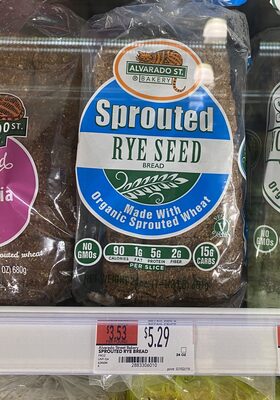

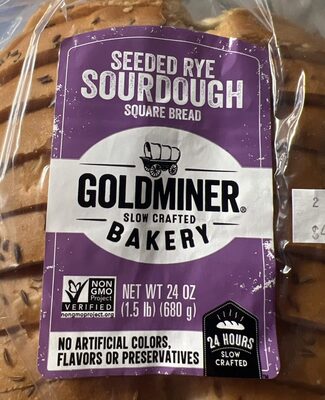
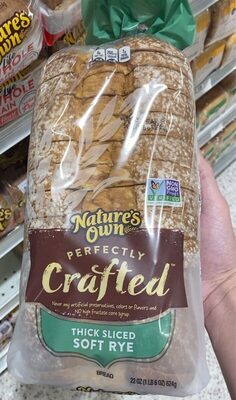
 Great Value
New York Style Rye Bread 24 Oz 680G, New York Style
267kcal
11.1Protein
3.3Fat
51.1Carbs
Learn more
Auto-generated content. This description was generated automatically and is pending editorial review. Inaccuracies are possible. Found a mistake? Contact us.