Whole Grain Flour
What is Whole Grain Flour?
Whole grain flour is made by grinding the entire kernel of a grain, which includes the bran, germ, and endosperm. It can come from various grains such as wheat, oats, corn, or rice. This process retains all parts of the grain, unlike refined flours where the bran and germ are removed.
Is Whole Grain Flour vegan?
Whole Grain Flour is not animal-derived. Products that contain it can still include other animal-derived ingredients, so check the full ingredient list.
Is Whole Grain Flour gluten-free?
Wheat flour also contains gluten.
Is Whole Grain Flour a major allergen?
Whole grain flour, particularly from wheat, contains wheat, which is one of the nine major food allergens identified by the FDA.
What is Whole Grain Flour used for?
Manufacturers use whole grain flour as a primary ingredient in a wide range of food products.
Is Whole Grain Flour safe?
Whole grain flour is considered a food ingredient and is generally recognized as safe (GRAS) by the FDA.
Why it's used
Manufacturers use whole grain flour as a primary ingredient in a wide range of food products. It provides structure, texture, and nutritional value to items like breads, cereals, crackers, pasta, and baked goods. Its inclusion helps increase the fiber content and nutrient profile of foods.
Health notes
Whole grain flour is considered a food ingredient and is generally recognized as safe (GRAS) by the FDA. It is a good source of dietary fiber, B vitamins, and minerals like iron and magnesium. Major health organizations, including the Dietary Guidelines for Americans, recommend consuming whole grains as part of a balanced diet.
Allergen info
Whole grain flour, particularly from wheat, contains wheat, which is one of the nine major food allergens identified by the FDA. Wheat flour also contains gluten.
Foods that contain Whole Grain Flour
Compare products →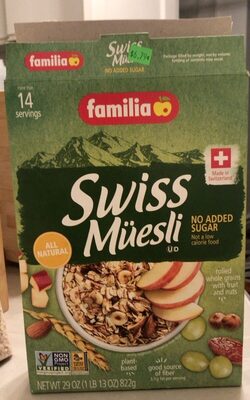
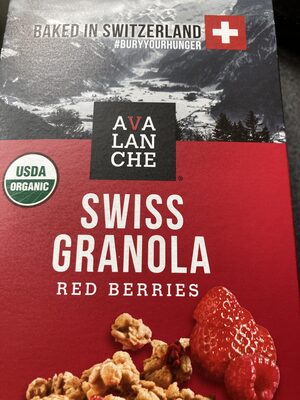
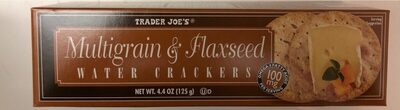
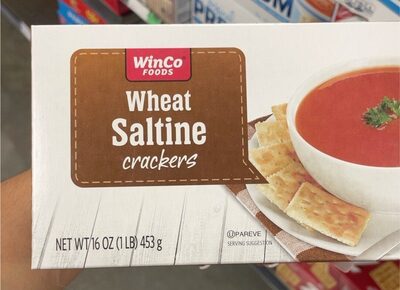
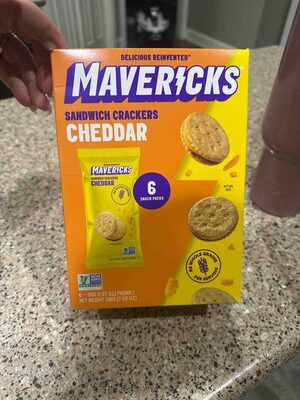
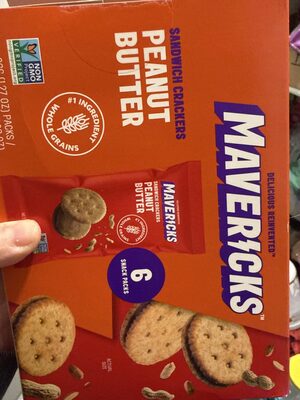

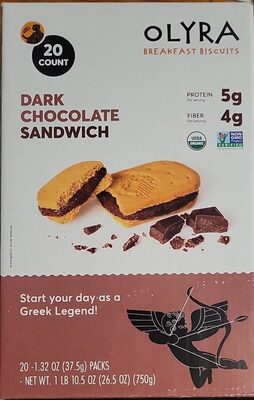
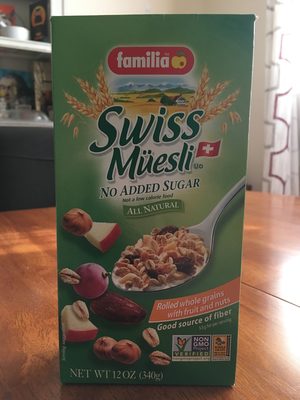


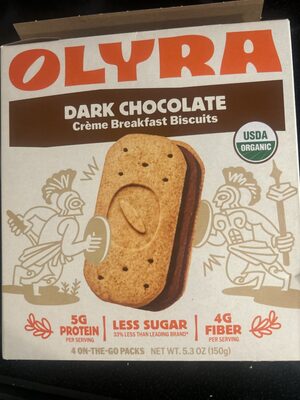
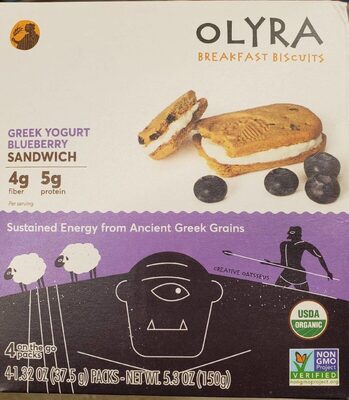
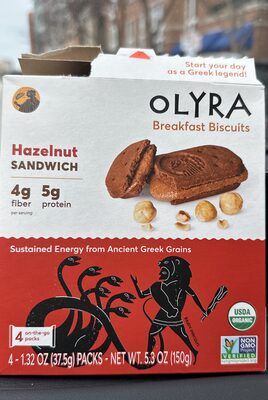
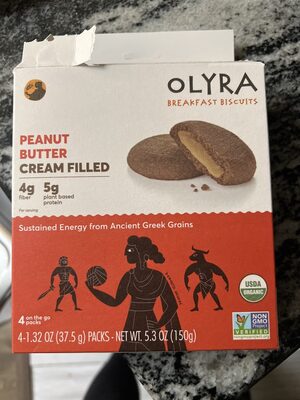
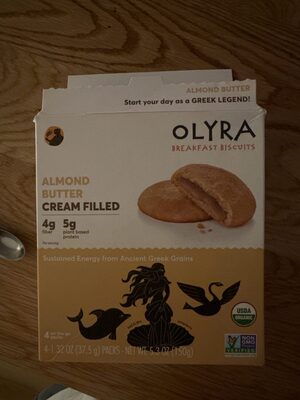
Learn more
Auto-generated content. This description was generated automatically and is pending editorial review. Inaccuracies are possible. Found a mistake? Contact us.