Whole Grain Flours
What is Whole Grain Flours?
Whole grain flours are produced by grinding the entire kernel of a grain, including the bran, germ, and endosperm. This process ensures that all the original nutrients and fiber present in the grain are retained. They can be derived from various grains such as wheat, oats, corn, rice, and barley.
Is Whole Grain Flours vegan?
Whole Grain Flours is not animal-derived. Products that contain it can still include other animal-derived ingredients, so check the full ingredient list.
Is Whole Grain Flours gluten-free?
Wheat also contains gluten, a protein that can cause adverse reactions in individuals with celiac disease or gluten sensitivity.
Is Whole Grain Flours a major allergen?
Many whole grain flours, such as whole wheat flour, contain wheat, which is recognized as one of the nine major food allergens by the FDA.
What is Whole Grain Flours used for?
Manufacturers incorporate whole grain flours into products to enhance their fiber content, nutritional value, and to impart a distinct texture and flavor.
Is Whole Grain Flours safe?
Whole grain flours are generally recognized as safe (GRAS) food ingredients by the FDA, as they are derived directly from whole foods.
Why it's used
Manufacturers incorporate whole grain flours into products to enhance their fiber content, nutritional value, and to impart a distinct texture and flavor. They are widely used in the production of breads, cereals, pasta, crackers, and various baked goods, contributing to a more wholesome nutritional profile.
Health notes
Whole grain flours are generally recognized as safe (GRAS) food ingredients by the FDA, as they are derived directly from whole foods. They are highly valued for their contribution of dietary fiber, essential vitamins, and minerals to the diet. The Dietary Guidelines for Americans (2025-2030) recommend that at least half of an individual's grain intake should come from whole grains, due to their association with improved health outcomes. JECFA and EFSA evaluate individual grains, but whole grain flours as a category are considered a food rather than an additive requiring specific evaluation.
Allergen info
Many whole grain flours, such as whole wheat flour, contain wheat, which is recognized as one of the nine major food allergens by the FDA. Wheat also contains gluten, a protein that can cause adverse reactions in individuals with celiac disease or gluten sensitivity.
Foods that contain Whole Grain Flours
Compare products →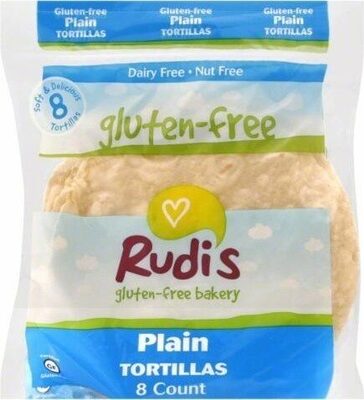
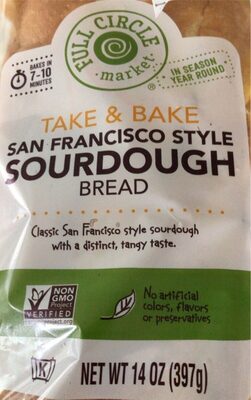 Full Circle Market
San Francisco Style Sourdough Take & Bake Bread
214kcal
7.1Protein
0Fat
46.4Carbs




Learn more
Auto-generated content. This description was generated automatically and is pending editorial review. Inaccuracies are possible. Found a mistake? Contact us.