Whole Grain Rye Flour
Auto-generated content. This description was generated automatically and is pending editorial review. Inaccuracies are possible. Found a mistake? Contact us.
What it is
Whole grain rye flour is made from the entire rye kernel, including the bran, germ, and endosperm. Rye is a hardy cereal grain, often grown in cooler climates. The flour is produced by milling the whole rye grain.
Why it's used
Whole grain rye flour is used as a base ingredient in baked goods, providing a distinct flavor and texture. It is often found in breads, crackers, and some cookies and biscuits, contributing to their density and nutty taste.
Health notes
Whole grain rye flour is generally recognized as safe (GRAS) by the FDA for use in food. It is a source of dietary fiber and various nutrients. Regulatory bodies like EFSA have evaluated rye and its components. Some studies suggest whole grains may play a role in managing blood sugar and promoting digestive health, aligning with general dietary guidance.
Allergen info
Rye is not one of the nine FDA major allergens. However, rye contains gluten and is not suitable for individuals with celiac disease or non-celiac gluten sensitivity.
Products containing Whole Grain Rye Flour
Compare products →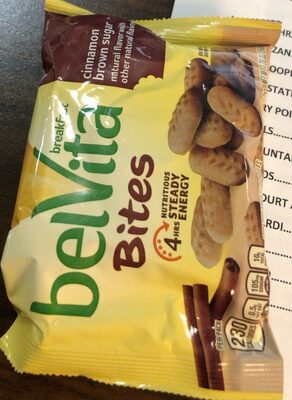 Mondelez Int. US (0074819091009)
Belvita Breakfast Bites Cookies Cinnamon Brown Sugar 1X1.76 Oz
460kcal
8Protein
16Fat
74Carbs
Mondelez Int. US (0074819091009)
Belvita Breakfast Bites Cookies Cinnamon Brown Sugar 1X1.76 Oz
460kcal
8Protein
16Fat
74Carbs
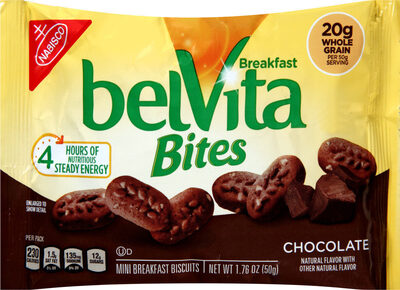 Mondelez Int. US (0074819091009)
Nabisco Belvita Snacks Chocolate 1X1.76 Oz
460kcal
8Protein
16Fat
72Carbs
Mondelez Int. US (0074819091009)
Nabisco Belvita Snacks Chocolate 1X1.76 Oz
460kcal
8Protein
16Fat
72Carbs
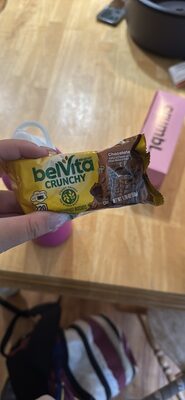 Mondelez Int. US (0074819091009)
Nabisco Belvita Cookies Chocolate 1X1.76 Oz
460kcal
8Protein
16Fat
70Carbs
Mondelez Int. US (0074819091009)
Nabisco Belvita Breakfast Snack Apple Cinnamon 1X1.760 Oz
460kcal
6Protein
16Fat
72Carbs
Mondelez Int. US (0074819091009)
Nabisco Belvita Cookies Chocolate 1X1.76 Oz
460kcal
8Protein
16Fat
70Carbs
Mondelez Int. US (0074819091009)
Nabisco Belvita Breakfast Snack Apple Cinnamon 1X1.760 Oz
460kcal
6Protein
16Fat
72Carbs
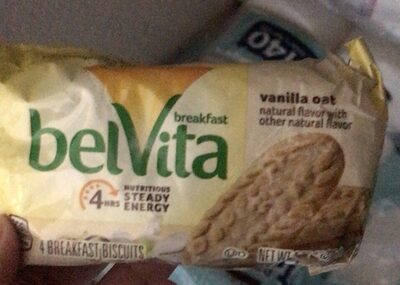 Mondelez Int. US (0074819091009)
Belvita Breakfast Biscuits-Breakfast Vanilla 1X1.76 Oz
460kcal
8Protein
18Fat
70Carbs
Mondelez Int. US (0074819091009)
Belvita Breakfast Biscuits-Breakfast Vanilla 1X1.76 Oz
460kcal
8Protein
18Fat
70Carbs
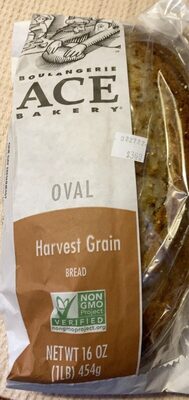 ACE BAKERY
Harvest Grain Oval Bread
286kcal
8.9Protein
5.4Fat
50Carbs
ACE BAKERY
Harvest Grain Oval Bread
286kcal
8.9Protein
5.4Fat
50Carbs
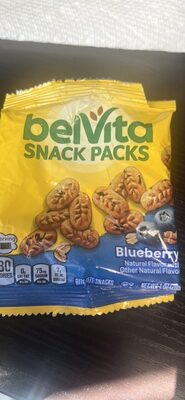 Mondelez USA
Belvita Cookies Bites 1X1 Oz
464kcal
7.1Protein
14.3Fat
75Carbs
Mondelez USA
Belvita Cookies Bites 1X1 Oz
464kcal
7.1Protein
14.3Fat
75Carbs
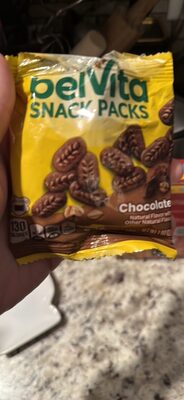 Mondelez USA
Belvita Cookies Bites 1X1 Oz
429kcal
7.1Protein
16.1Fat
71.4Carbs
Mondelez USA
Belvita Cookies Bites 1X1 Oz
429kcal
7.1Protein
16.1Fat
71.4Carbs
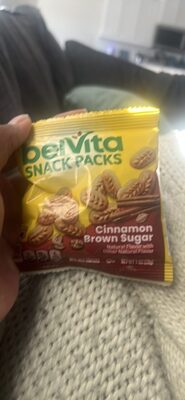 Mondelez USA
Belvita Cookies Bites 1X1 Oz
464kcal
7.1Protein
14.3Fat
75Carbs
Mondelez USA
Belvita Cookies Bites 1X1 Oz
464kcal
7.1Protein
14.3Fat
75Carbs