Yogurt Cultures: L
Auto-generated content. This description was generated automatically and is pending editorial review. Inaccuracies are possible. Found a mistake? Contact us.
What it is
Yogurt cultures are live bacteria, typically Lactobacillus bulgaricus and Streptococcus thermophilus. These bacteria are added to milk to ferment lactose (milk sugar) into lactic acid. This process thickens the milk and gives yogurt its characteristic tangy flavor.
Why it's used
Yogurt cultures are essential for making yogurt and other fermented dairy products. They act as a starter culture, transforming milk into yogurt. They are found in almost all types of yogurt, including Greek yogurt, frozen yogurt, and drinkable yogurt.
Health notes
Yogurt cultures are generally recognized as safe (GRAS) by the FDA for use in food. The live bacteria in yogurt are often referred to as probiotics, which some research suggests may benefit gut health. However, scientific evidence for specific health benefits is still developing. JECFA has evaluated these organisms and did not set a numeric limit (ADI not specified).
Allergen info
Yogurt cultures are derived from milk, which is one of the nine FDA major allergens. Therefore, products containing yogurt cultures may contain milk.
Products containing Yogurt Cultures: L
Compare products →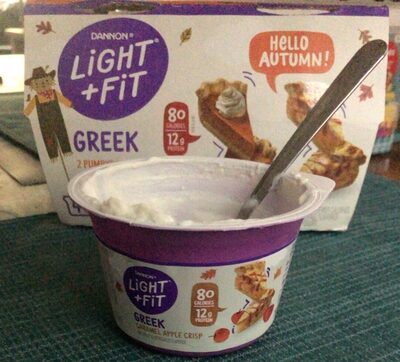 Greek Crme Brle & Strawberry Cheesecake Nonfat Yogurt
53kcal
8Protein
0Fat
5.3Carbs
Greek Crme Brle & Strawberry Cheesecake Nonfat Yogurt
53kcal
8Protein
0Fat
5.3Carbs
 Danone US, LLC
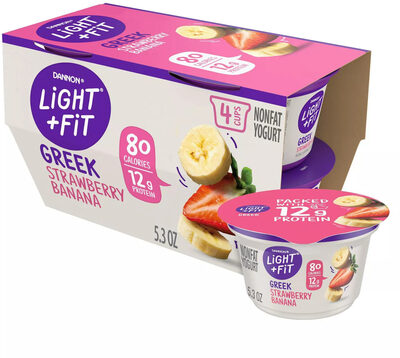
Greek Strawberry Banana Fat Free Yogurt, Strawberry; Banana
53kcal
8Protein
0Fat
5.3Carbs
Danone US, LLC
Greek Raspberry Fat Free Yogurt, Raspberry
53kcal
8Protein
0Fat
5.3Carbs
Danone US, LLC
Greek Peach Fat Free Yogurt, Peach
53kcal
8Protein
0Fat
5.3Carbs
Danone US, LLC
Greek Banana Cream Fat Free Yogurt, Banana; Cream
53kcal
8Protein
0Fat
6Carbs
Danone US, LLC
Greek Salted Caramel Fat Free Yogurt, Salted Caramel
53kcal
8Protein
0Fat
6Carbs
Danone US, LLC
Greek Strawberry Banana Fat Free Yogurt, Strawberry; Banana
53kcal
8Protein
0Fat
5.3Carbs
Danone US, LLC
Greek Raspberry Fat Free Yogurt, Raspberry
53kcal
8Protein
0Fat
5.3Carbs
Danone US, LLC
Greek Peach Fat Free Yogurt, Peach
53kcal
8Protein
0Fat
5.3Carbs
Danone US, LLC
Greek Banana Cream Fat Free Yogurt, Banana; Cream
53kcal
8Protein
0Fat
6Carbs
Danone US, LLC
Greek Salted Caramel Fat Free Yogurt, Salted Caramel
53kcal
8Protein
0Fat
6Carbs
 Danone US, LLC
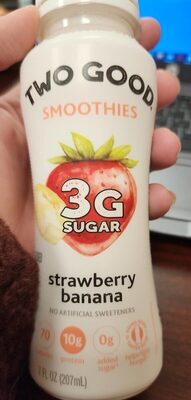
Strawberry Banana Smoothies, Strawberry; Banana
34kcal
4.8Protein
1.0Fat
2.4Carbs
Danone US, LLC
Strawberry Banana Smoothies, Strawberry; Banana
34kcal
4.8Protein
1.0Fat
2.4Carbs
 Danone US, LLC
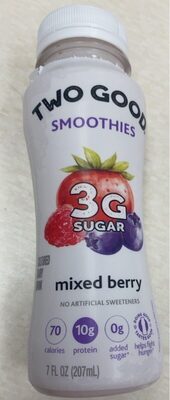
Mixed Berry Smoothies, Mixed Berry
34kcal
4.8Protein
1.0Fat
2.4Carbs
Danone US, LLC
Mixed Berry Smoothies, Mixed Berry
34kcal
4.8Protein
1.0Fat
2.4Carbs
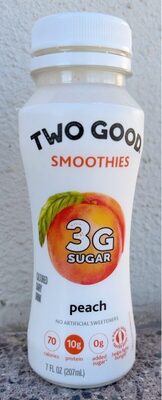 Danone US, LLC
Peach Smoothies, Peach
34kcal
4.8Protein
1.0Fat
2.4Carbs
Danone US, LLC
Peach Smoothies, Peach
34kcal
4.8Protein
1.0Fat
2.4Carbs
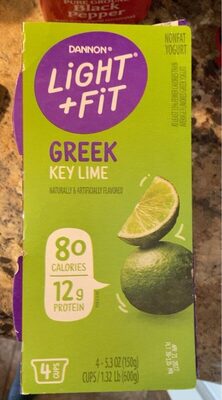 Danone US, LLC
Greek Key Lime Fat Free Yogurt, Lime
53kcal
8Protein
0Fat
6Carbs
Danone US, LLC
Strawberry Banana Smoothies Cultured Dairy Drink, Strawberry Banana
34kcal
4.8Protein
1.0Fat
2.4Carbs
Danone US, LLC
Greek Key Lime Fat Free Yogurt, Lime
53kcal
8Protein
0Fat
6Carbs
Danone US, LLC
Strawberry Banana Smoothies Cultured Dairy Drink, Strawberry Banana
34kcal
4.8Protein
1.0Fat
2.4Carbs