Ab Vitamin
What is Ab Vitamin?
Vitamin A is a fat-soluble vitamin essential for vision, immune function, and cell growth. It occurs naturally in foods like liver, fish oil, eggs, and dairy products. In packaged foods, it is typically added as vitamin A palmitate or vitamin A acetate, which are synthesized forms.
Is Ab Vitamin a major allergen?
Vitamin A itself is not a major allergen.
What is Ab Vitamin used for?
Vitamin A is added to foods as a nutrient to help consumers meet their daily requirements.
Is Ab Vitamin safe?
The U.S. Food and Drug Administration (FDA) permits the addition of vitamin A to foods.
Why it's used
Vitamin A is added to foods as a nutrient to help consumers meet their daily requirements. It is commonly found in fortified products such as breakfast cereals, milk, and infant formula. It helps ensure that people who consume these foods receive adequate amounts of this essential vitamin.
Health notes
The U.S. Food and Drug Administration (FDA) permits the addition of vitamin A to foods. Excessive intake of preformed vitamin A (retinol) can be toxic, leading to symptoms like dizziness, nausea, and even liver damage. However, the vitamin A added to most foods is generally within safe levels for the general population. The Joint FAO/WHO Expert Committee on Food Additives (JECFA) has evaluated vitamin A and established acceptable daily intakes.
Allergen info
Vitamin A itself is not a major allergen. However, it can sometimes be derived from or added to products containing major allergens like fish or dairy.
Foods that contain Ab Vitamin
Compare products →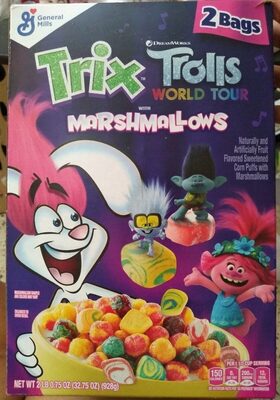
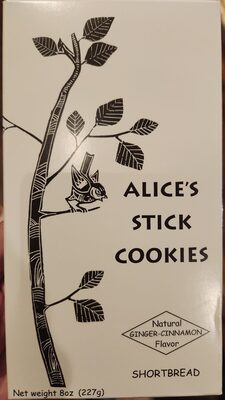

Learn more
Auto-generated content. This description was generated automatically and is pending editorial review. Inaccuracies are possible. Found a mistake? Contact us.