Atlantic Cod
What is Atlantic Cod?
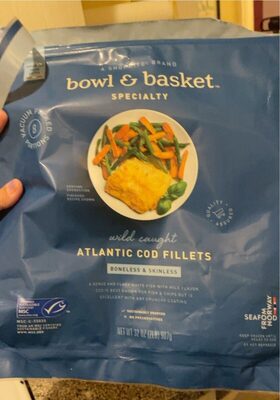
Atlantic cod (Gadus morhua) is a species of cod fish native to the North Atlantic Ocean. It is a popular food fish, typically caught wild and then processed into fillets, portions, or other forms for consumers. It is often sold fresh or frozen.
Is Atlantic Cod vegan?
No. Atlantic Cod is animal-derived, so it is not vegan.
Is Atlantic Cod a major allergen?
Atlantic cod is a fish, which is one of the 9 major food allergens recognized by the FDA.
What is Atlantic Cod used for?
Atlantic cod is primarily used as a source of protein in various dishes.
Is Atlantic Cod safe?
Atlantic cod is a natural food source and is not subject to FDA additive regulations.
Why it's used
Atlantic cod is primarily used as a source of protein in various dishes. It is commonly found in frozen fish and seafood products, as well as in frozen dinners and entrees. Its mild flavor and flaky texture make it versatile for baking, frying, or steaming.
Health notes
Atlantic cod is a natural food source and is not subject to FDA additive regulations. It is a good source of protein, vitamin B12, and selenium. Like other fish, it can contain beneficial omega-3 fatty acids. The FDA does not set upper intake levels for fish as a food category, but recommends consuming a variety of fish, including those lower in mercury. JECFA has evaluated fish, but does not set specific ADIs for whole foods.
Allergen info
Atlantic cod is a fish, which is one of the 9 major food allergens recognized by the FDA. People with a fish allergy should avoid consuming it.
Foods that contain Atlantic Cod
Compare products →
Learn more
Auto-generated content. This description was generated automatically and is pending editorial review. Inaccuracies are possible. Found a mistake? Contact us.