Cracked Grain Flour
Auto-generated content. This description was generated automatically and is pending editorial review. Inaccuracies are possible. Found a mistake? Contact us.
What it is
Cracked grain flour is made from whole grains that have been broken into smaller pieces instead of being finely ground. This process leaves larger particles, giving the flour a coarser texture. It typically includes the bran, germ, and endosperm of the grain.
Why it's used
Manufacturers add cracked grain flour to foods to provide a hearty texture, increase fiber content, and impart a nutty flavor. It is commonly found in baked goods like biscuits, cookies, and various snack bars.
Health notes
Cracked grain flour is a common food ingredient and is generally recognized as safe (GRAS) by the FDA. As a whole grain product, it contributes dietary fiber and various nutrients. There are no known adverse health effects at typical consumption levels. It is not an additive, so it has not been evaluated by JECFA or EFSA in that capacity.
Allergen info
If derived from wheat, barley, or rye, cracked grain flour contains gluten and is a major allergen (wheat). Manufacturers must declare the specific grain source if it is a major allergen.
Products containing Cracked Grain Flour
Compare products →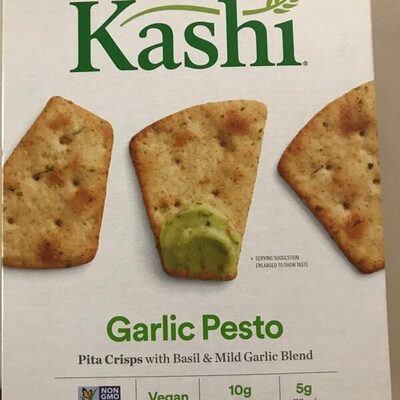 Kellogg Company US
Kashi Pita Crackers Garlic Pesto 7.9oz
391kcal
10.5Protein
9Fat
75.4Carbs
Kellogg Company US
Kashi Pita Crackers Garlic Pesto 7.9oz
391kcal
10.5Protein
9Fat
75.4Carbs