Dark Chicken
What is Dark Chicken?
Dark chicken is a type of cooked chicken meat that has a darker color than white meat. It comes from the parts of the chicken that are used more for movement, such as the legs and thighs. The darker color is due to a higher concentration of myoglobin, a protein that stores oxygen.
Is Dark Chicken vegan?
No. Dark Chicken is animal-derived, so it is not vegan.
Is Dark Chicken gluten-free?
It does not contain gluten.
Is Dark Chicken a major allergen?
Dark chicken is derived from poultry and is not one of the nine FDA major allergens.
What is Dark Chicken used for?
Manufacturers use dark chicken as a protein source in a variety of prepared foods.
Is Dark Chicken safe?
Dark chicken is a source of protein and various nutrients.
Why it's used
Manufacturers use dark chicken as a protein source in a variety of prepared foods. Its richer flavor and moister texture make it suitable for dishes like pasta sauces, stews, chili, and canned meals. It adds a savory taste and hearty texture to these products.
Health notes
Dark chicken is a source of protein and various nutrients. The FDA considers it a standard food ingredient. International bodies like JECFA and EFSA have evaluated chicken as a food source. Typical consumption as part of a balanced diet is not associated with adverse health effects.
Allergen info
Dark chicken is derived from poultry and is not one of the nine FDA major allergens. It does not contain gluten.
Foods that contain Dark Chicken
Compare products →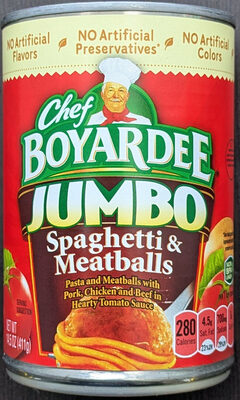
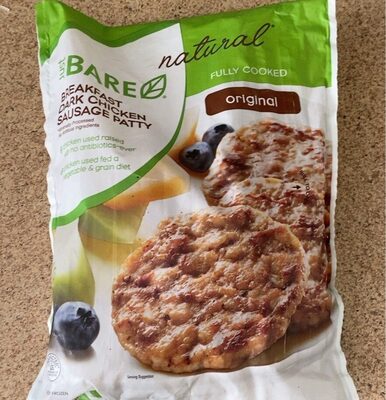
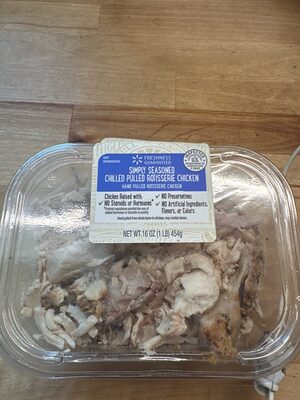


Learn more
Auto-generated content. This description was generated automatically and is pending editorial review. Inaccuracies are possible. Found a mistake? Contact us.