Enzyme Preparation
Auto-generated content. This description was generated automatically and is pending editorial review. Inaccuracies are possible. Found a mistake? Contact us.
What it is
Enzyme preparations are mixtures of enzymes, which are proteins that speed up chemical reactions. They are typically produced by fermenting microorganisms like bacteria, yeasts, or fungi, or by extracting them from plant or animal sources. The specific enzymes used are selected for their ability to perform a particular function in food processing.
Why it's used
Manufacturers use enzyme preparations to improve food texture, aid in dough conditioning, enhance flavor, or increase shelf life. They are commonly found in baked goods like biscuits and cookies, as well as in processed foods such as sandwich fillings and Mexican dinner mixes.
Health notes
Enzyme preparations are generally recognized as safe (GRAS) by the FDA when used for their intended purpose. They are broken down into amino acids during digestion, similar to other proteins. International bodies like JECFA have evaluated enzymes, and they are widely used globally. There are no widespread health concerns associated with typical consumption levels.
Allergen info
Enzyme preparations are not derived from any of the nine major allergens. Gluten is not typically present unless the enzymes are produced using a gluten-containing grain as a substrate.
Products containing Enzyme Preparation
Compare products →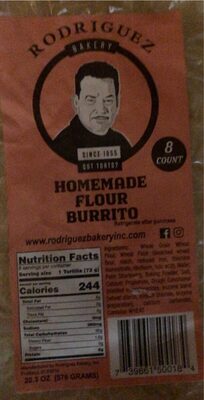 Rodriguez Pastries
Homemade Flour Burrito
339kcal
6.9Protein
8.3Fat
48.6Carbs
The Kroger Co.
Chicken Salad On A Croissant
High in sodium — 34% DV per serving
High in saturated fat — 45% DV per serving
High in cholesterol — 28% DV per serving
241kcal
12.3Protein
13.4Fat
17.6Carbs
The Kroger Co.
Turkey & Swiss On A Croissant, Turkey & Swiss
223kcal
15.8Protein
10.3Fat
17.4Carbs
Rodriguez Pastries
Homemade Flour Burrito
339kcal
6.9Protein
8.3Fat
48.6Carbs
The Kroger Co.
Chicken Salad On A Croissant
High in sodium — 34% DV per serving
High in saturated fat — 45% DV per serving
High in cholesterol — 28% DV per serving
241kcal
12.3Protein
13.4Fat
17.6Carbs
The Kroger Co.
Turkey & Swiss On A Croissant, Turkey & Swiss
223kcal
15.8Protein
10.3Fat
17.4Carbs