Ham Flavor
What is Ham Flavor?
Ham flavor is a flavoring agent designed to mimic the taste and aroma of cooked ham. It is typically created using a combination of natural and artificial ingredients, which may include meat extracts, spices, and other flavor compounds.
Is Ham Flavor a major allergen?
Ham flavor itself is not a major allergen.
What is Ham Flavor used for?
Manufacturers add ham flavor to foods to impart a savory, meaty taste without using actual ham.
Is Ham Flavor safe?
In the US, ham flavor is generally recognized as safe (GRAS) by the FDA when used as a flavoring agent.
Why it's used
Manufacturers add ham flavor to foods to impart a savory, meaty taste without using actual ham. It is commonly found in processed foods like soups, canned beans, snacks, and frozen appetizers where a ham profile is desired.
Health notes
In the US, ham flavor is generally recognized as safe (GRAS) by the FDA when used as a flavoring agent. Regulatory bodies like JECFA and EFSA have evaluated various flavoring substances, but specific evaluations for 'ham flavor' as a distinct compound are not always detailed. At typical consumption levels, it is not associated with adverse health effects.
Allergen info
Ham flavor itself is not a major allergen. However, if derived from animal products, it may contain proteins that could be problematic for individuals with specific sensitivities, though not typically classified as one of the top nine allergens.
Foods that contain Ham Flavor
Compare products →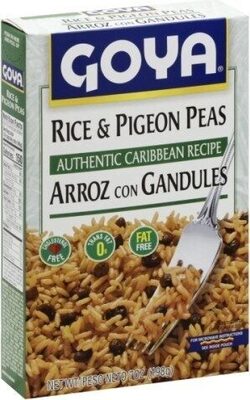

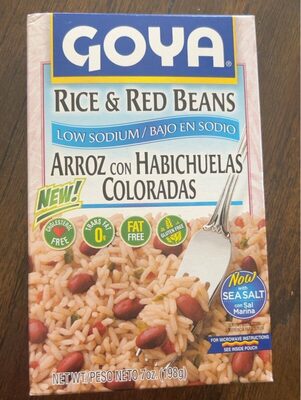

Learn more
Auto-generated content. This description was generated automatically and is pending editorial review. Inaccuracies are possible. Found a mistake? Contact us.