Ham With Natural Juices
What is Ham With Natural Juices?
Ham with natural juices is a type of cured pork product. It is made by taking cuts of pork, curing them (often with salt and other ingredients), and then cooking them. The term "natural juices" means that some of the moisture from the meat is kept or added back during processing.
Is Ham With Natural Juices vegan?
No. Ham With Natural Juices is animal-derived, so it is not vegan.
Is Ham With Natural Juices a major allergen?
Not a major allergen.
What is Ham With Natural Juices used for?
This ingredient is used to add protein and savory flavor to various prepared foods.
Is Ham With Natural Juices safe?
Ham is a processed meat product.
Why it's used
This ingredient is used to add protein and savory flavor to various prepared foods. It is commonly found in packaged salads, sandwiches, wraps, and other ready-to-eat meals.
Health notes
Ham is a processed meat product. The U.S. Food and Drug Administration (FDA) regulates meat products to ensure their safety. Processed meats, including ham, can be a source of sodium and saturated fat. The Dietary Guidelines for Americans (2025-2030) recommend limiting saturated fat to less than 10% of daily calories, and the FDA's Daily Value for sodium is 2,300 mg. The International Agency for Research on Cancer (IARC) has classified processed meat as carcinogenic to humans (Group 1), based on sufficient evidence that it can cause colorectal cancer.
Allergen info
Not a major allergen.
Foods that contain Ham With Natural Juices
Compare products →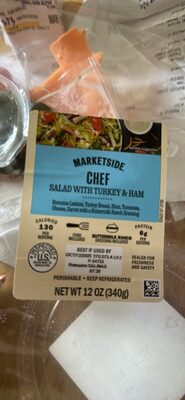


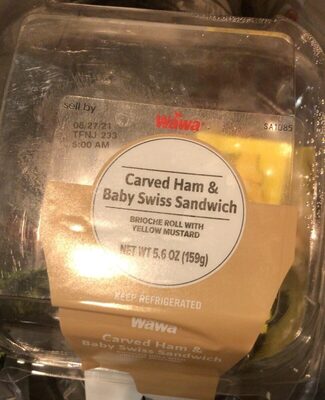

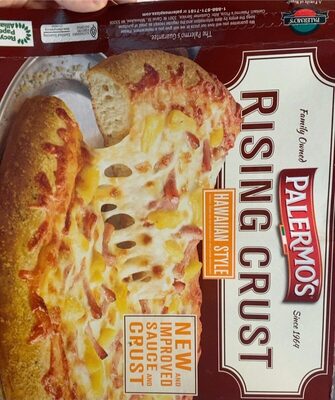

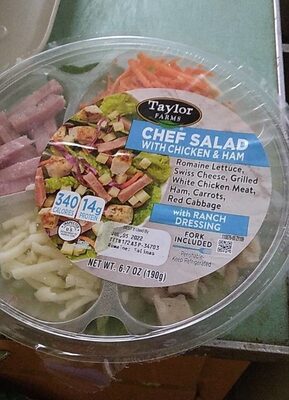

Learn more
Auto-generated content. This description was generated automatically and is pending editorial review. Inaccuracies are possible. Found a mistake? Contact us.