Hydrolyzed Corn-soy-wheat Protein
Auto-generated content. This description was generated automatically and is pending editorial review. Inaccuracies are possible. Found a mistake? Contact us.
What it is
Hydrolyzed corn-soy-wheat protein is made by breaking down proteins from corn, soybeans, and wheat into smaller pieces. This process, called hydrolysis, can involve using acids, enzymes, or heat to create smaller peptides and amino acids.
Why it's used
Manufacturers add this ingredient to enhance or create savory, umami, or meaty flavors in foods. It is often found in processed foods like soups, sauces, snacks, and seasonings.
Health notes
In the U.S., hydrolyzed vegetable proteins are generally recognized as safe (GRAS) by the FDA when used as intended. Regulatory bodies like JECFA have evaluated similar ingredients and established acceptable daily intake levels. While generally considered safe, some individuals may experience sensitivity to ingredients like hydrolyzed proteins.
Allergen info
This ingredient is derived from wheat and soy, which are two of the nine major allergens identified by the FDA. It also contains gluten from wheat.
Products containing Hydrolyzed Corn-soy-wheat Protein
Compare products →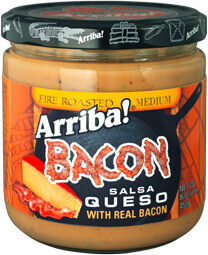 Riba Foods, Inc.
Salsa Queso With Real Bacon, Medium
150kcal
3.3Protein
10Fat
10Carbs
Winco Foods, Inc.
Winco Foods, Country With Sausage Gravy Mix
444kcal
11.1Protein
22.2Fat
55.6Carbs
Old Fashioned Foods, Inc.
Bacon Cheddar Cheese Snack Spread
333kcal
13.3Protein
26.7Fat
13.3Carbs
Old Fashioned Foods, Inc.
Bacon Cheddar Cheese Snack Spread
333kcal
13.3Protein
26.7Fat
13.3Carbs
The Moran Group Incorporated
Creamy Broccoli Tuna, Home Cooked Skillet Dinner
High in sodium — 26% DV per serving
361kcal
11.1Protein
2.8Fat
72.2Carbs
The Moran Group Incorporated
Pork Gravy Mix
333kcal
16.7Protein
0Fat
50Carbs
Giorgio Foods, Inc.
Protabella Mushrooms Stuffed With Flavored Crab
High in sodium — 32% DV per serving
High in saturated fat — 55% DV per serving
High in cholesterol — 22% DV per serving
257kcal
20.4Protein
20.4Fat
2.6Carbs
Basic American Foods, Inc.
Hearty Baked Mashed Potatoes
379kcal
6.9Protein
3.5Fat
75.9Carbs
Adelphia Seafood
Deluxe Crab & Artichoke Dip, Deluxe Crab & Artichoke
281kcal
6.2Protein
25Fat
9.4Carbs
Riba Foods, Inc.
Fire Roasted Bacon Salsa, Medium
33kcal
3.3Protein
1.7Fat
3.3Carbs
Adelphia Seafood
Buffalo Shrimp Dip, Buffalo
219kcal
6.2Protein
18.8Fat
6.2Carbs
Sushic, LLC
Spicy Onigiri Combo, Spicy
High in sodium — 34% DV per serving
143kcal
4.5Protein
2.3Fat
24.7Carbs
Riba Foods, Inc.
Salsa Queso With Real Bacon, Medium
150kcal
3.3Protein
10Fat
10Carbs
Winco Foods, Inc.
Winco Foods, Country With Sausage Gravy Mix
444kcal
11.1Protein
22.2Fat
55.6Carbs
Old Fashioned Foods, Inc.
Bacon Cheddar Cheese Snack Spread
333kcal
13.3Protein
26.7Fat
13.3Carbs
Old Fashioned Foods, Inc.
Bacon Cheddar Cheese Snack Spread
333kcal
13.3Protein
26.7Fat
13.3Carbs
The Moran Group Incorporated
Creamy Broccoli Tuna, Home Cooked Skillet Dinner
High in sodium — 26% DV per serving
361kcal
11.1Protein
2.8Fat
72.2Carbs
The Moran Group Incorporated
Pork Gravy Mix
333kcal
16.7Protein
0Fat
50Carbs
Giorgio Foods, Inc.
Protabella Mushrooms Stuffed With Flavored Crab
High in sodium — 32% DV per serving
High in saturated fat — 55% DV per serving
High in cholesterol — 22% DV per serving
257kcal
20.4Protein
20.4Fat
2.6Carbs
Basic American Foods, Inc.
Hearty Baked Mashed Potatoes
379kcal
6.9Protein
3.5Fat
75.9Carbs
Adelphia Seafood
Deluxe Crab & Artichoke Dip, Deluxe Crab & Artichoke
281kcal
6.2Protein
25Fat
9.4Carbs
Riba Foods, Inc.
Fire Roasted Bacon Salsa, Medium
33kcal
3.3Protein
1.7Fat
3.3Carbs
Adelphia Seafood
Buffalo Shrimp Dip, Buffalo
219kcal
6.2Protein
18.8Fat
6.2Carbs
Sushic, LLC
Spicy Onigiri Combo, Spicy
High in sodium — 34% DV per serving
143kcal
4.5Protein
2.3Fat
24.7Carbs