Konjac
What is Konjac?
Konjac is a root vegetable native to Asia, primarily grown for its starchy corm. The corm is processed to extract a soluble fiber called glucomannan. This fiber is then often dried and ground into a powder.
Is Konjac vegan?
Konjac is not animal-derived. Products that contain it can still include other animal-derived ingredients, so check the full ingredient list.
Is Konjac gluten-free?
It is also gluten-free.
Is Konjac a major allergen?
Konjac is not derived from any of the nine FDA major allergens.
What is Konjac used for?
Konjac powder, rich in glucomannan fiber, is used as a thickener and gelling agent in foods.
Is Konjac safe?
In the U.S., konjac glucomannan is generally recognized as safe (GRAS) by the FDA for use as a food ingredient.
Why it's used
Konjac powder, rich in glucomannan fiber, is used as a thickener and gelling agent in foods. It helps create a gel-like texture and can absorb a large amount of water. It is commonly found in low-calorie snacks, noodles, jellies, and as a vegan substitute for gelatin.
Health notes
In the U.S., konjac glucomannan is generally recognized as safe (GRAS) by the FDA for use as a food ingredient. It is primarily known for its high fiber content, which can contribute to feelings of fullness. International bodies like JECFA have evaluated konjac, and EFSA has also assessed its safety. While generally considered safe, consuming large amounts of konjac without adequate fluid can pose a choking risk due to its gelling properties.
Allergen info
Konjac is not derived from any of the nine FDA major allergens. It is also gluten-free.
Foods that contain Konjac
Compare products →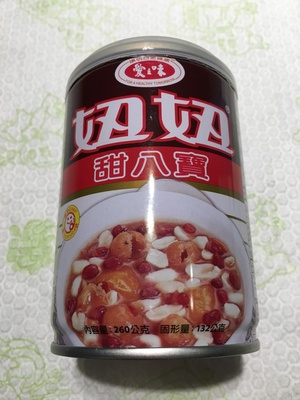


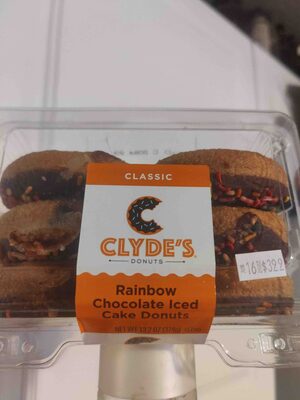

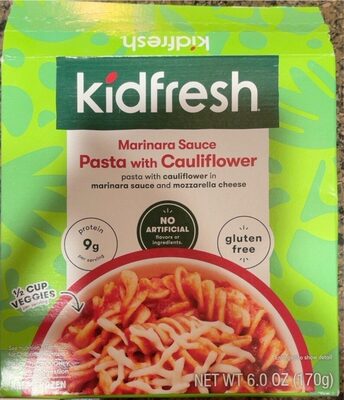

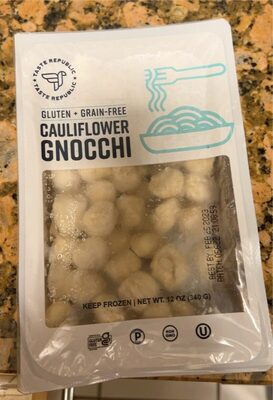
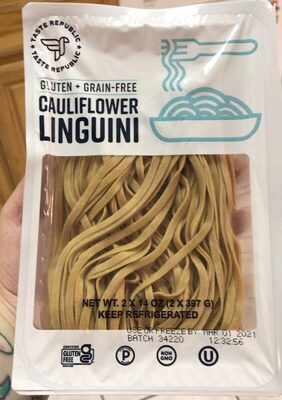
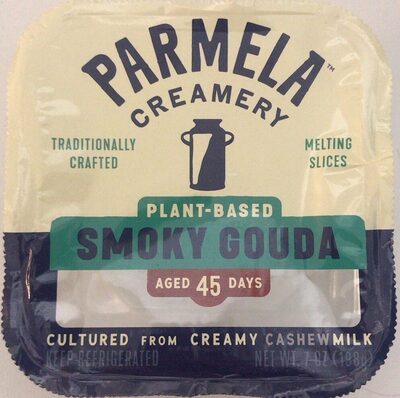
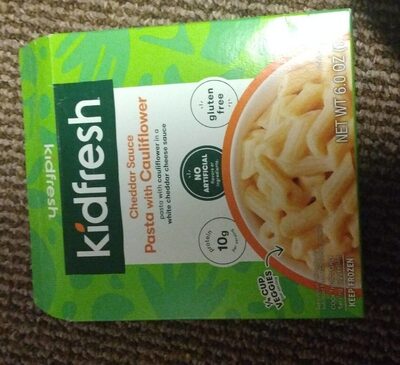
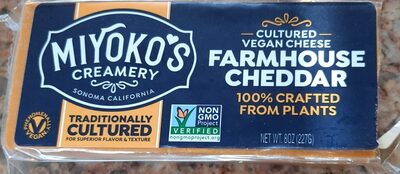

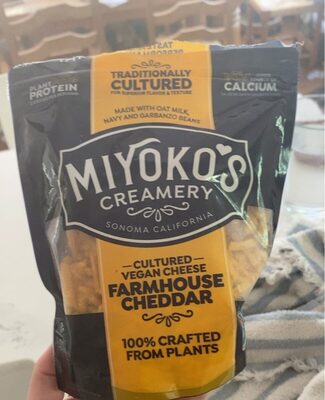
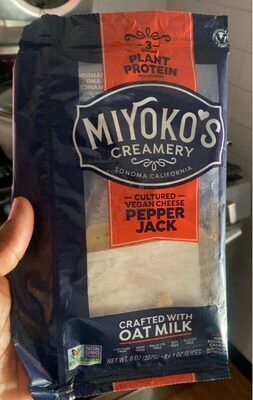
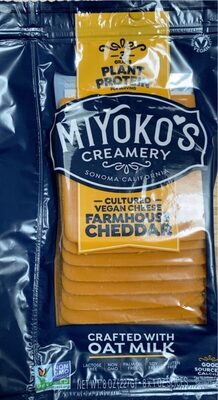
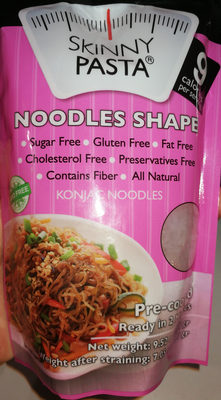
Learn more
Auto-generated content. This description was generated automatically and is pending editorial review. Inaccuracies are possible. Found a mistake? Contact us.